AKC is a participant in affiliate advertising programs designed to provide a means for sites to earn advertising fees by advertising and linking to akc.org. If you purchase a product through this article, we may receive a portion of the sale.
Giant dogs are some of the hardest-working and most recognizable breeds. Breeders developed many of these dogs for demanding jobs such as livestock guarding, drafting, water rescue, and hunting, and the dogs still retain the strong instincts and drive that made them successful working dogs.
In This Article
While their size and presence can be appealing, giant breeds come with unique considerations. Before bringing one home, it’s important to understand their developmental needs, living requirements, care costs, and training demands.
Giant Breeds Take Longer to Mature
Giant dogs are giant puppies for a surprisingly long time. They mature more slowly than smaller breeds, both mentally and physically, and may take longer to reach full adulthood.
Because their bodies are still developing, young giant-breed dogs can be especially vulnerable to joint injuries. Owners should carefully manage exercise and activity levels during puppyhood to support healthy growth and development.
More Size Means More Space Requirements
The larger the dog, the larger everything needs to be. Toys, bowls, crates, beds, and other essentials all need to accommodate a giant dog’s size.
Although some giant dogs can adapt well to apartment or small-home living, you do need to have enough space for their belongings and daily comfort. Giant dogs may also face restrictions in some housing situations. Many apartments, rental properties, and hotels have weight limits that giant breeds exceed.
Finding care can also be more challenging. Not all pet sitters, dog walkers, or boarding facilities are comfortable handling dogs that may weigh as much as or more than an adult person.
Costs of Owning a Giant Dog
Giant dogs can be significantly more expensive to care for than smaller breeds. Routine expenses tend to scale with a dog’s size, too.
Food costs are often higher because giant breeds require greater quantities of food. Supplies such as beds, crates, collars, and other equipment are also usually more expensive due to their size.
Medical expenses can increase as well. Veterinarians often dose medications based on body weight, so treating a giant dog can cost more. Additionally, some veterinary clinics, particularly in urban areas, may not have equipment designed to safely accommodate giant breeds for procedures such as X-rays or surgery. Owners may occasionally need to travel farther to access appropriate veterinary care.
Why Early Training Matters So Much
All dogs benefit from training, but it’s especially important for giant breeds. Behaviors that might seem harmless in a small dog, such as jumping on people, counter-surfing, or pulling on leash become much more difficult to manage when a dog weighs well over 100 pounds.
Because many giant breeds eventually outweigh their owners, training should begin early in puppyhood. Consistent, positive reinforcement methods help establish good manners and reliable behavior while the dog is still manageable in size.
Prospective owners should also prioritize early socialization to help puppies become comfortable with a variety of people, environments, and experiences. Programs such as AKC S.T.A.R. Puppy can provide a strong foundation for lifelong learning and good behavior.
Largest Dog Breeds
Breeders developed many of the world’s biggest breeds for demanding work, and the dogs continue to excel as companions, guardians, and working partners.
Anatolian Shepherd Dog
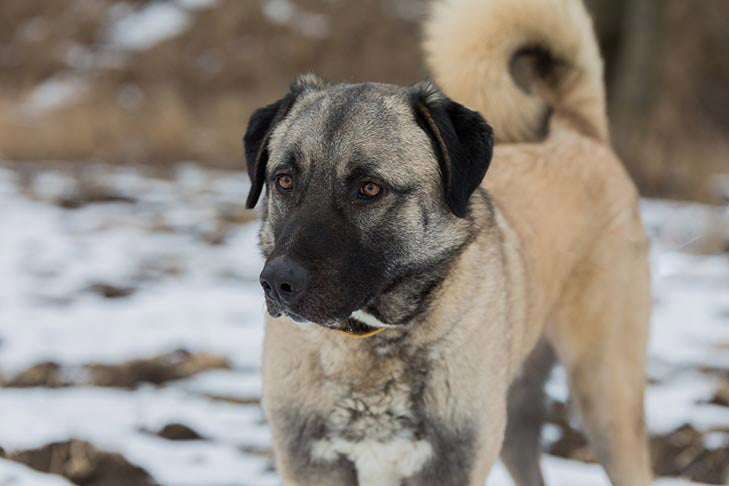
Imposing and protective, the Anatolian Shepherd Dog is a territorial, intelligent, and loyal working dog.
Bred to protect livestock, they can weigh up to 150 pounds. These dogs often prefer to intimidate predators rather than attack them, which continues to make them valued livestock guardians today.
Bernese Mountain Dog
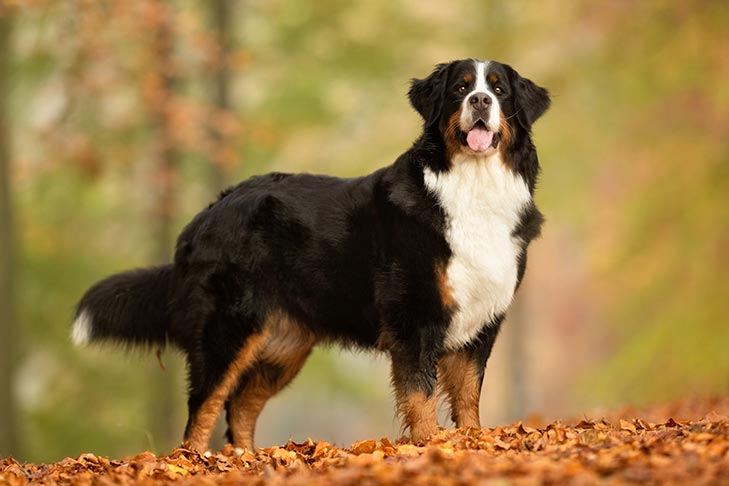
Recognizable by their distinctive tri-colored coat, the Bernese Mountain Dog got its start as a versatile farm dog in Switzerland. Bred for hard work in cold climates, the breed excels at drafting and carting. Their affectionate and good-natured temperament has also made them popular family companions.
Black Russian Terrier
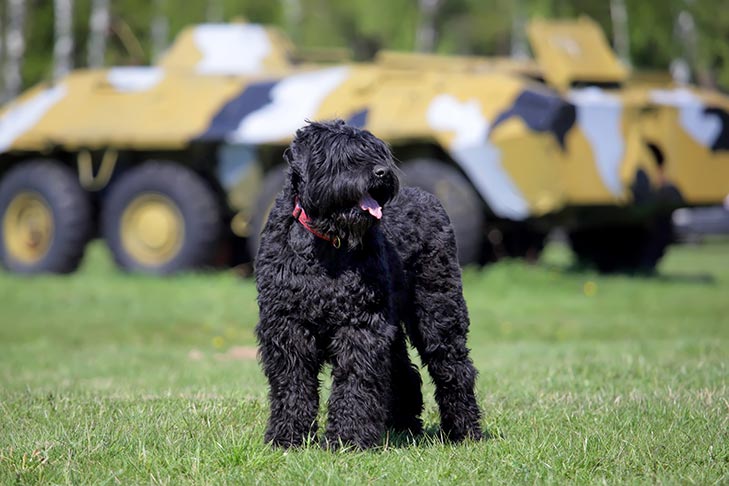
The Soviet government developed the Black Russian Terrier, a powerful and intelligent giant breed, during the 1930s. Bred to serve as a capable guardian, these dogs remain highly loyal to their families and are often reserved around strangers. Strength and dependable temperament are hallmarks of the breed.
Bullmastiff
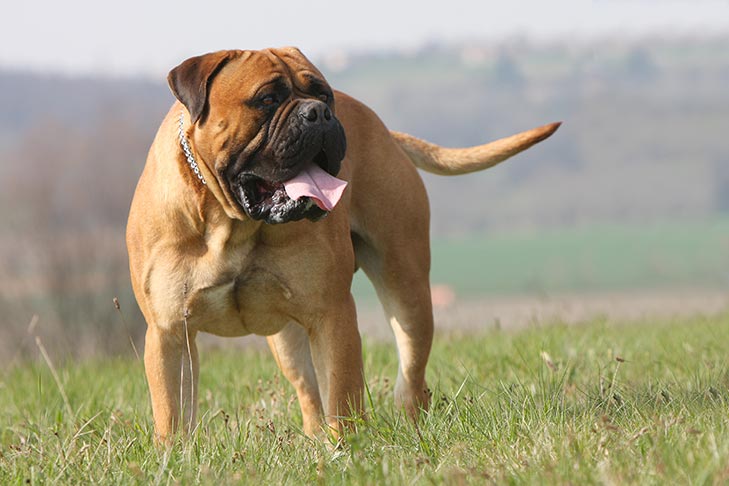
Known as “the gamekeeper’s night dog,” the Bullmastiff was developed in 19th-century England by English gamekeepers to protect private game preserves and estates. The breed is highly trainable and responsive, but early socialization and puppy training are essential for producing a well-mannered adult dog.
Cane Corso

Strong, alert, and immensely loyal, the Cane Corso descends from ancient guardian dogs. Although the breed nearly disappeared at one point in history, they have since experienced a remarkable revival. Because of their protective nature and wariness of strangers, socialization and training are essential.
Dogue de Bordeaux

The Dogue de Bordeaux is a powerful guardian breed known for their expressive face and proportionately massive head. Sensitive and devoted to their families, these dogs can also be stubborn, making early and consistent training particularly important.
Great Dane
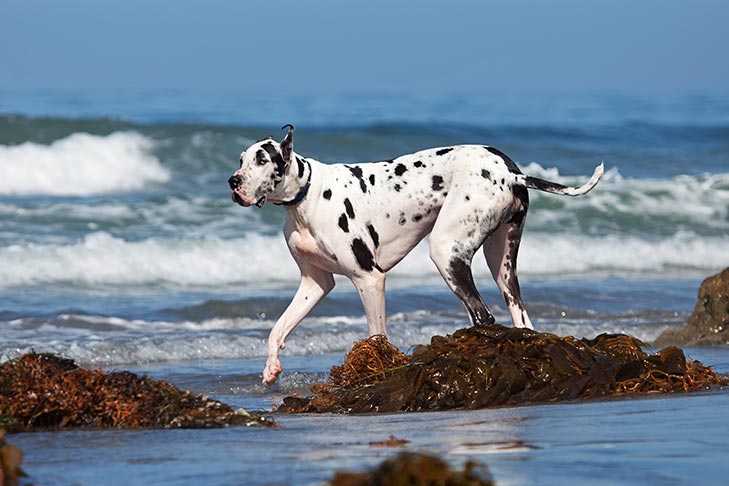
Few giant breeds are as instantly recognizable as the Great Dane. Originally developed for guarding and hunting wild boar, today’s Great Dane is known for its friendly, easygoing personality. Despite being affectionate companions, they remain attentive guardians of home and family.
Great Pyrenees

With their majestic appearance and (generally) white coat, the Great Pyrenees was developed to protect livestock alongside shepherds. Patient, independent, and fearless, the breed is respected for their willingness to confront predators when necessary.
Irish Wolfhound
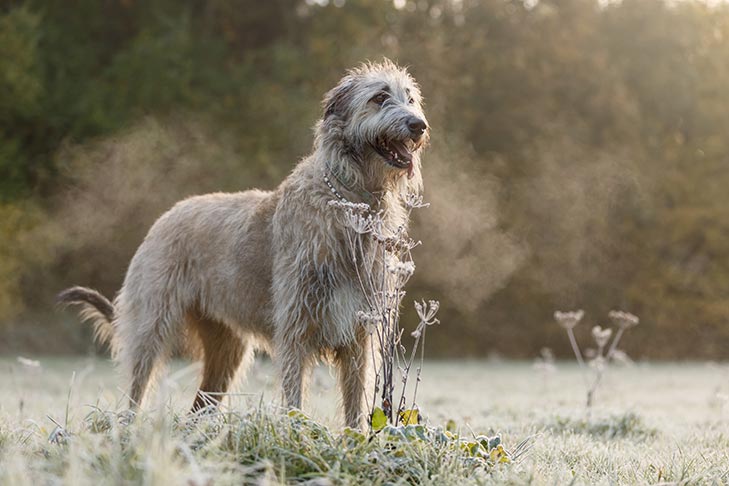
Large and majestic, the Irish Wolfhound is the tallest breed of dog recognized by the AKC and was originally bred as a big-game hunter. While their ancestors date back to ancient times, the Irish Wolfhound first gained popularity in the 15th century to help control the wolf population in Ireland. Today Irish Wolfhounds are known as dignified, eye-catching companions.
Leonberger
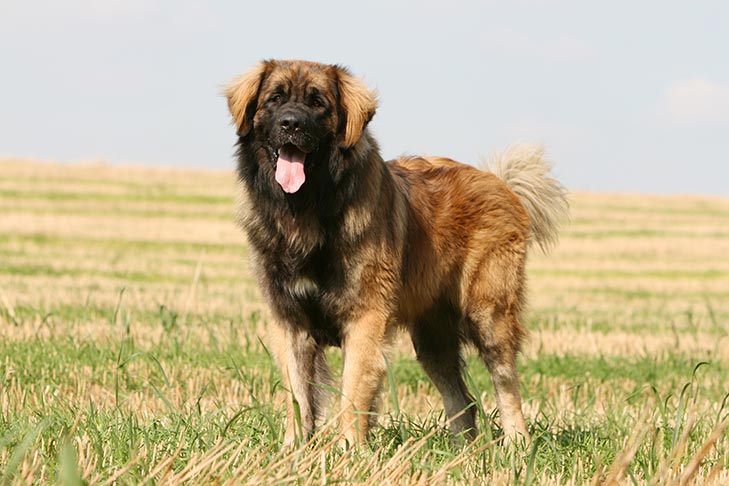
Featuring a distinctive lion-like mane, the Leonberger stands out among giant breeds because they were initially developed as a companion for European royalty. It wasn’t until later that they became known as versatile farm and working dogs. Today, Leonbergers are loyal pets that excel at drafting and carting activities.
Mastiff

The Mastiff is a courageous yet gentle giant known for their devotion and loyalty to their families. The breed is naturally cautious around strangers, making early socialization important. Following World War II, the breed’s numbers dropped dramatically in England before dedicated breeders helped rebuild the population. Mastiffs are sensitive dogs that respond well to positive-reinforcement training.
Neapolitan Mastiff
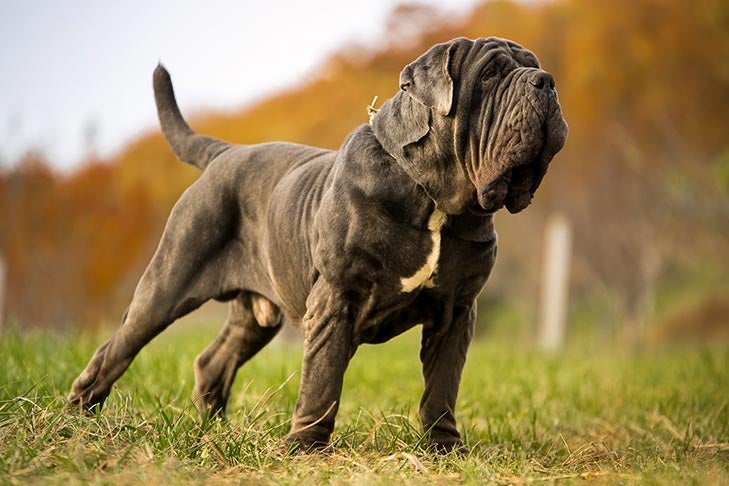
Dating back to ancient Rome, the Neapolitan Mastiff is famous for their impressive size, loose skin, and deep wrinkles. These powerful guardians are devoted to their families and benefit from consistent positive-reinforcement training from an early age.
Newfoundland
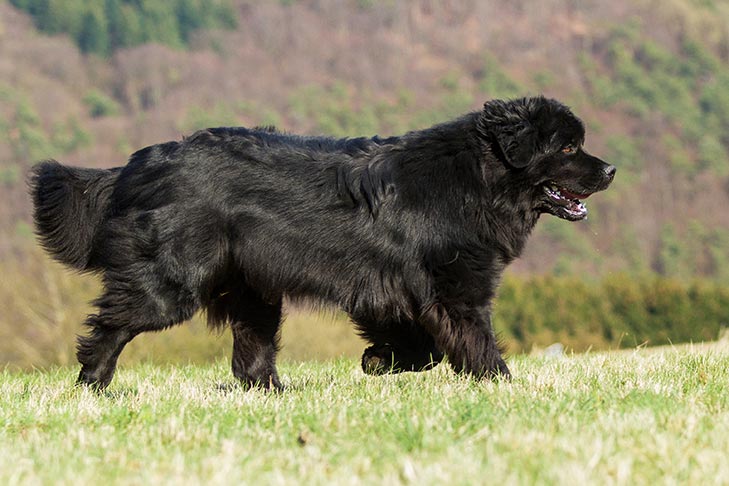
The Newfoundland is one of the most accomplished water-working breeds in the world. Developed to assist Canadian fishermen, these dogs possess webbed feet and a water-resistant coat that help them perform demanding work in cold water. Alongside their strength and rescue abilities, Newfoundlands are celebrated for their gentle nature and trainability.
Saint Bernard
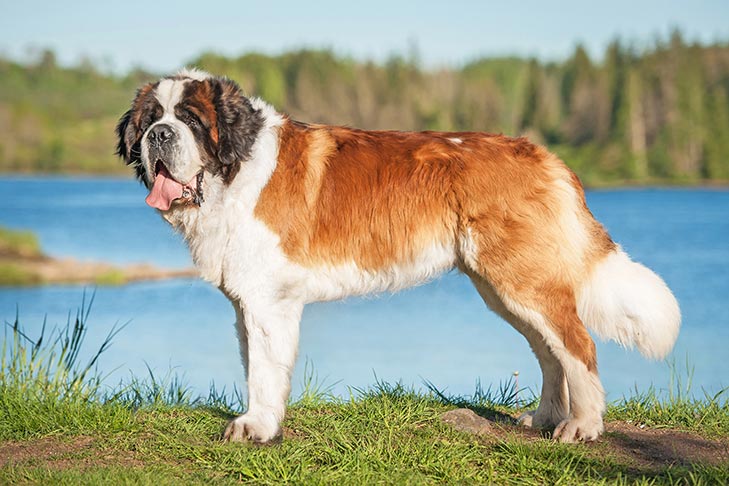
Originating in the Swiss Alps, the Saint Bernard was developed to locate and rescue travelers lost in snow and avalanches. The breed’s friendly expression and heroic history have made them one of the most beloved giant dogs in the world.
Scottish Deerhound
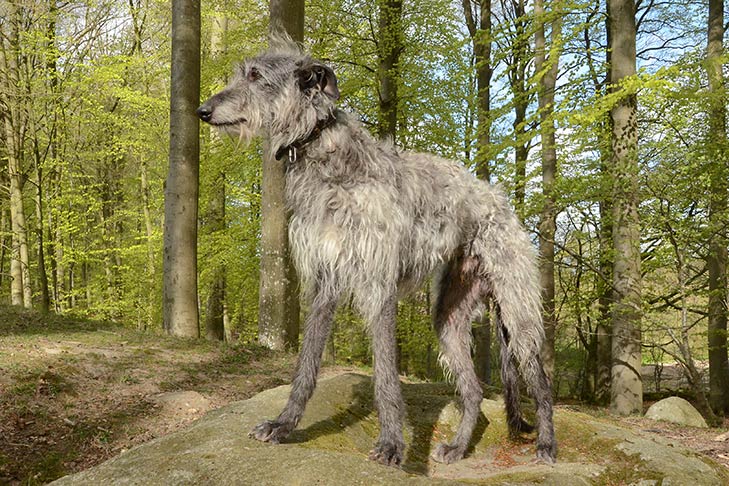
Often called the royal dog of Scotland, the Scottish Deerhound is one of the tallest dog breeds. Developed as a coursing hound, they possess tremendous athleticism and a strong instinct to chase. The breed forms close bonds with family and generally does best with opportunities for safe, controlled exercise.
Tibetan Mastiff
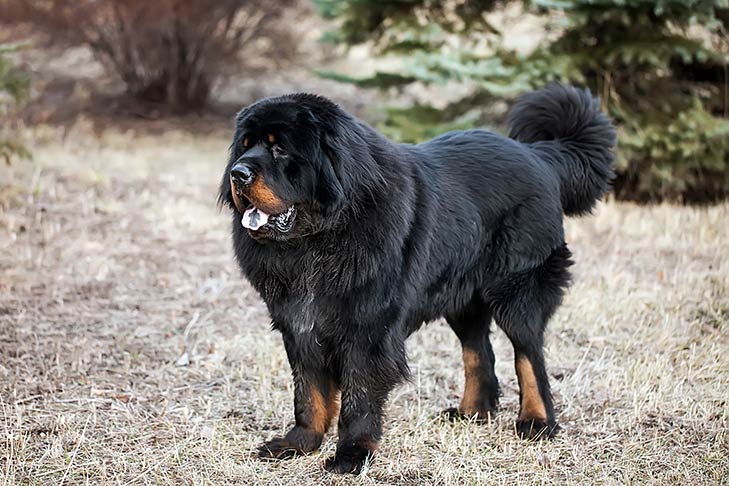
The Tibetan Mastiff is an ancient guardian breed known for independence, strength, and strong protective instincts. Historically used to guard monasteries in Tibet, these dogs earned a reputation as guardians of the Himalayas. Because they’re highly independent thinkers, Tibetan Mastiffs are generally best suited for experienced dog owners.
Key Takeaways
- Giant dog breeds mature more slowly and require careful management during puppyhood.
- Their size affects housing, travel, supplies, veterinary care, and overall cost of ownership.
- Early socialization and training are especially important because of their strength and size.
- Many giant breeds retain strong working, guarding, or herding instincts.
- Choosing the right giant breed requires matching the dog’s temperament and needs with your lifestyle.
Frequently Asked Questions
-
What is the tallest AKC-recognized dog breed?
+
The Irish Wolfhound is the tallest breed recognized by the American Kennel Club, often standing well over 30 inches at the shoulder.
-
Are giant dog breeds good family pets?
+
Many giant breeds make excellent family companions, including Bernese Mountain Dogs, Newfoundlands, Saint Bernards, and Great Danes. Individual temperament, training, and socialization remain important factors.
-
Do giant dog breeds cost more to own?
+
Yes. Food, supplies, medications, veterinary care, boarding, and transportation often cost more because of the dog’s size. -
Why is training so important for giant breeds?
+
Large dogs have the strength to unintentionally overpower people if they lack basic manners. Early training helps prevent behaviors such as pulling, jumping, and counter-surfing from becoming serious problems.
-
Do giant breeds need large homes?
+
Not always. Many giant breeds can adapt well to smaller living spaces, provided they receive appropriate exercise, enrichment, and room to move comfortably indoors.
At AKC Marketplace, we can help you find your dream dog. You can find AKC-registerable puppies from responsible, passionate breeders, and we provide the tools you need for every step of the process. Visit marketplace.akc.org to start connecting with dog breeders in your area!