- english setter
- dog breeds
- pointer
- fox terrier
- beagle
- mastiff
- most popular breeds
- irish setter
- collie
- gordon setter
- dachshund
- irish water spaniel
The top five breeds of the 1880s in the United States were all working gundog breeds. While the English Setter was the decade’s number-one breed, it remained in the top 10 for four decades before falling out of the rankings after the 1910s. The Irish Setter, which ranked second during the decade, dropped to seventh place in the 1890s and would not return to the top 10 until the 1970s. Three breeds in the 1880s’ top 10—the Irish Water Spaniel, Gordon Setter, and Mastiff—have yet to appear on the list again.
1. English Setter

Historical records indicate that the English Setter was a trained bird dog in England more than 400 years ago. Evidence points to the breed’s origins in crosses of Spanish Pointer, large Water Spaniel, and Springer Spaniel, producing a skilled bird dog with a high degree of proficiency in finding and pointing game in open country.
2. Irish Setter

The Irish Setter first became a popular breed in the 18th century. The solid-red Setter appeared in Ireland during the 19th century, and in 1812, the Earl of Enniskillen declared that he would have no other breed in his kennel. Solid red became synonymous with dogs of “high mark,” and the breed was revered for its remarkable sporting abilities.
3. Pointer
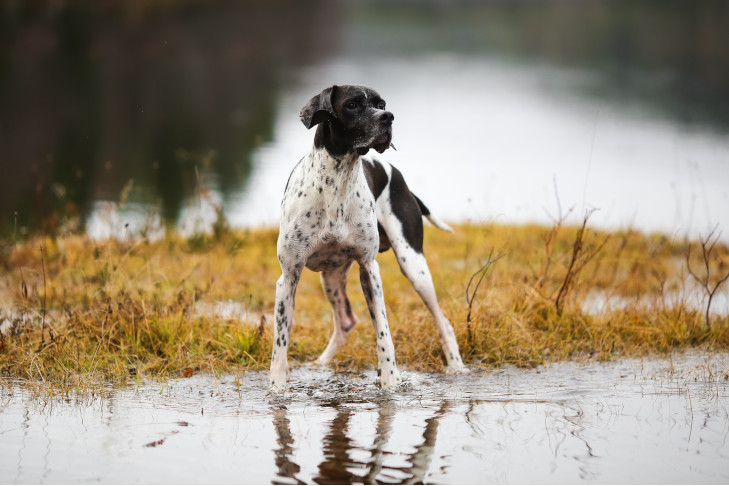
The Pointer was the first dog, so far as we know, used to stand game in the sense in which the term is used today. The breed was developed much earlier than any of the setters. It seems likely that Pointers came into general use in Spain, Portugal, throughout Eastern Europe, and in the British Isles at approximately the same time, though the development of the English Pointer took place in Great Britain.
4. Irish Water Spaniel

Among the first nine breeds recognized by the AKC upon its founding, the Irish Water Spaniel likely resulted from the interbreeding of two different strains of liver-colored water spaniels from northern and southern Ireland, along with influences from mainland Europe. The breed’s foundation sire, “Boatswain,” appears in the pedigree of every Irish Water Spaniel today.
5. Gordon Setter
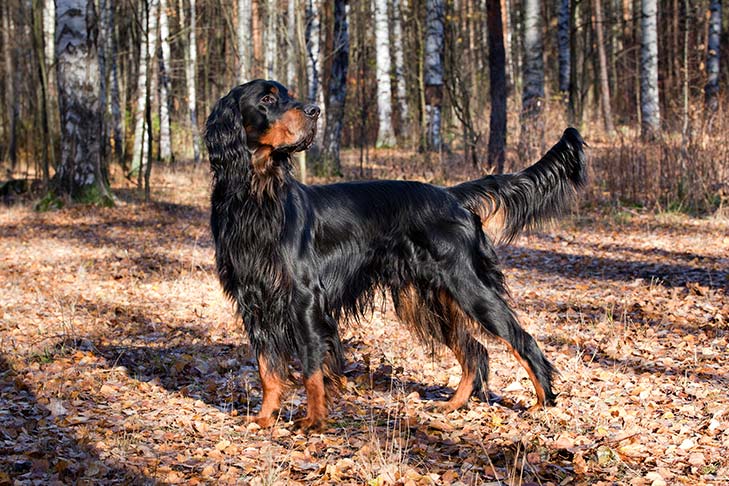
The Gordon Setter derives its name from the 18th-century Duke of Gordon, a prominent nobleman who patronized this historic breed. Its heavy, square frame made it well-suited for moving steadily across the Scottish moors while helping hunters locate game birds. The breed gained recognition from Britain’s Kennel Club in 1924, though under a different name.
6. Beagle

The exact origin of the Beagle remains unclear because reliable early documentation is scarce. A major turning point for the breed in the United States came during the 1860s, when dogs from well-bred English lines were imported, helping establish the breed type recognized today.
7. Collie

There are two varieties of Collie, with the rough-coated variety being more well known. However, many breeders have increased their focus on the smooth-coated variety, and dogs of excellent type are now commonly exhibited. While the breed’s exact origin remains uncertain, both varieties existed long ago among the herding dogs of Scotland and northern England.
8. Fox Terrier
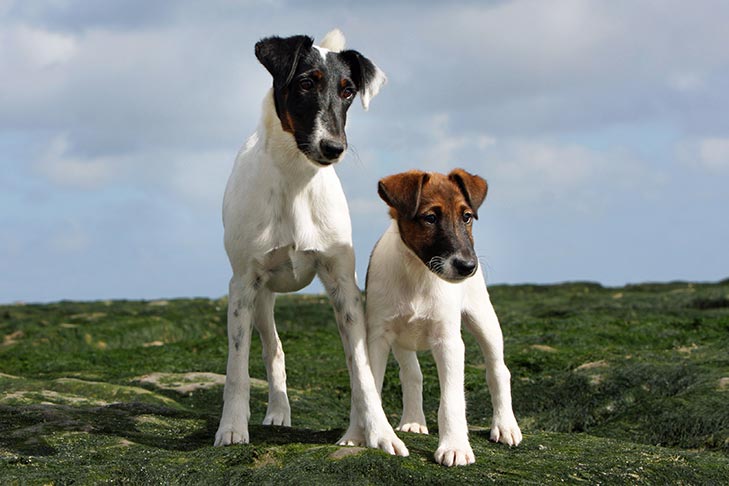
The Fox Terrier is an old English breed. For nearly 100 years, the breed was registered and exhibited in the United States as a single breed with two varieties: Smooth and Wire. Smooth Fox Terriers appeared in the show ring 15 to 20 years before Wire Fox Terriers and were initially classified as sporting dogs because of their keen nose, sharp eyesight, and stamina.
9. Dachshund
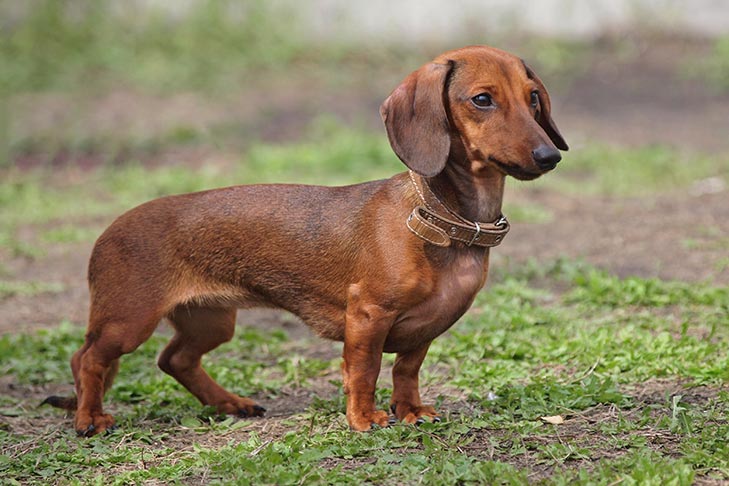
Historical accounts dating to the 15th, 16th, and 17th centuries describe dogs resembling the Dachshund. Illustrations from the period show badgers being hunted with dogs that had elongated bodies, short legs, and hound-like ears. These dogs combined the tracking abilities of hounds with the determination and proportions of terriers.
10. Mastiff

Valued for millennia as a powerful guard dog, the Mastiff’s history stretches back thousands of years, with ancient Near Eastern carvings depicting animals that resemble today’s Mastiff. Phoenicians, Carthaginians, Romans, and Britons likely helped spread these impressive dogs through trade and military activity.
Key Takeaways
- The English Setter was the most popular dog breed in the United States during the 1880s.
- The top five breeds of the decade were all gundog or sporting breeds.
- The Irish Setter ranked second and did not return to the top 10 after the 1890s until the 1970s.
- The Irish Water Spaniel, Gordon Setter, and Mastiff have not returned to the top 10 rankings since their appearance in the 1880s.
- Hunting ability and field performance heavily influenced breed popularity during the era.
Frequently Asked Questions
-
What was the most popular dog breed of the 1880s?
+
The English Setter ranked as the most popular dog breed in the United States during the 1880s and remained in the top 10 for four decades.
-
Which types of dogs were most popular in the 1880s?
+
Sporting and gundog breeds dominated the decade. The top five breeds were the English Setter, Irish Setter, Pointer, Irish Water Spaniel, and Gordon Setter.
-
Which breeds from the 1880s top 10 have not returned to the rankings?
+
The Irish Water Spaniel, Gordon Setter, and Mastiff have yet to appear in the top 10 again.
-
Why were sporting breeds so popular in the 1880s?
+
Many of the era’s most popular dogs were valued for hunting and field work. Their ability to find, point, retrieve, or track game made them highly sought after.
-
Was the Beagle already popular in the United States during the 1880s?
+
Yes. The Beagle ranked sixth in the decade’s popularity list, helped in part by the importation of well-bred English dogs during the 1860s.