AKC is a participant in affiliate advertising programs designed to provide a means for sites to earn advertising fees by advertising and linking to akc.org. If you purchase a product through this article, we may receive a portion of the sale.
One of the most valuable lessons dog owners can learn is that training never really stops. You might think your dog is only learning during training classes or when you have formal practice sessions at home. But your dog learns all the time, whether you’re officially teaching them a skill or not. You’re training your dog even when you aren’t training them: that’s known as passive training.
Active vs. Passive Training
This ongoing learning is the difference between active training and passive training. Active training happens when you intentionally teach skills and behaviors. This could mean setting aside time to go over cues, taking them to a training class, or practicing different behaviors through positive reinforcement.
Passive training on the other hand happens during everyday life. Often, you don’t even realize it. Whether you’re rewarding a behavior intentionally or accidentally, your dog is constantly gathering information about what works and what doesn’t. By understanding passive training, you can reinforce good habits while preventing unwanted behaviors.
Think About Rewards From Your Dog’s Perspective

Even when you aren’t actively training, your actions can influence your dog’s behavior. Sometimes that means unintentionally rewarding habits you don’t want. Other times it means missing opportunities to reinforce behaviors you’d like to see more often.
To effectively influence your dog’s behavior, it helps to put yourself in your dog’s paws. Thanks to operant conditioning, dogs repeat behaviors that are reinforced. Anything that your dog values can function as a reward, including going outside, hearing praise, or getting a treat. When your dog gets those rewards, it reinforces whatever they were doing at the time. If they were howling at the door and you let them out to go potty, they’ll associate howling with being let out to potty. Without realizing, you’ve “rewarded” their behavior.
Think about taking your dog for a walk. If you’re too busy checking your phone to notice your dog dragging you down the sidewalk, you’ve just rewarded pulling on the leash. Your dog wanted to move ahead, and they got to. That behavior helped them acheive their goal. Sometimes, even without realizing the cause, the effect is reinforced.
Your passive actions created a teaching moment that you didn’t intend. This is why awareness matters. Instead, you can turn passive training into mindful training by being present and watching how you interact with your dog throughout the day.
Avoid Accidentally Reinforcing Unwanted Behaviors
Sometimes, it’s more convenient to give in to your dog in the moment. They’re begging, so you give them some table scraps. So they continue begging because that’s how you’ve taught them to get what they want. Sometimes we unintentionally reward behaviors this way because it’s easier than correcting it.
For example, if your dog barks at you while you’re on the phone, tossing a ball across the room might give you temporary peace and quiet. From your dog’s perspective, however, the barking successfully led to a game of fetch. Not to mention: your dog has just trained you.
Accidental reinforcement can also come from other people. There’s no use training your dog to jump on visitors, and then allowing a delivery person to pet your dog while they’re jumping up. Your dog doesn’t distinguish between rewards that come from you, and rewards that come from someone else.
That’s why consistency matters. Don’t be scared to tell other people how you would like them to interact with your dog. Your dog is learning from every encounter, not just those with you.
Reward the Behaviors You Want to See More Often
Just as you shouldn’t reinforce unwanted behaviors, you need to acknowledge the good ones.
If you ignore behaviors you want your dog to repeat, you’re essentially telling your dog that those behaviors have no value outside of formal training sessions. But if you reward desirable behavior whenever you see it, your dog’s manners will improve exponentially.
For example, if your dog is lying quietly on their bed or waiting calmly for the door to open, make sure you reinforce that in the moment. Hand them a treat, praise them, or offer a life reward so they know they made you happy.
Timing is especially important. Some desirable behaviors are easy to reinforce but others are fleeting, like the second of silence between barks. If you don’t catch them right away, the time has passed. To effectively communicate the exact thing you want your dog to do, you can use a marker signal such as a clicker or the word “yes.” Then follow that marker with a reward.
Telling your dog exactly what you want provides them with far more information than simply saying “no” when they don’t get it right.
Manage the Environment to Ensure Your Dog’s Success
Like a musician rehearsing a piece of music, your dog gets better at whatever they practice. If they repeatedly practice jumping, begging, or barking, those behaviors can become stronger over time.
Instead, help your dog make good choices. Direct them towards desirable behaviors so they don’t choose to perform unwanted ones. That can be as simple as providing a chew bone so your dog stays quiet while you’re on a video meeting, or keeping your shoes and other valuables out of reach so they can’t destroy your belongings.
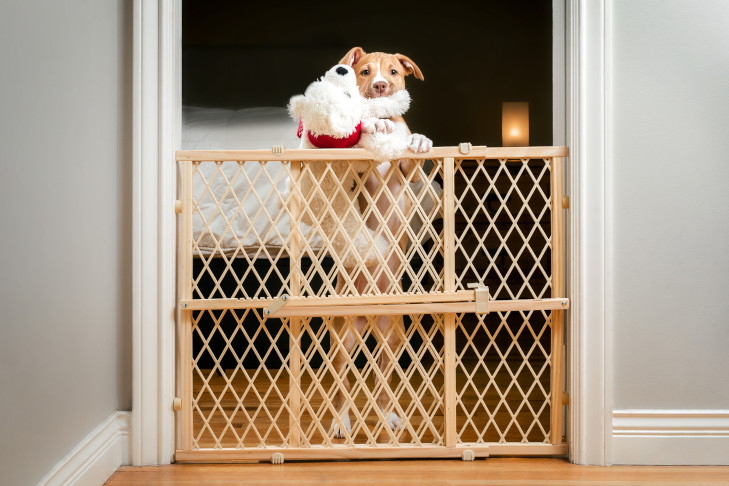
Part of passive training is controlling the environment to set your dog up for success. Make the right choice easy. While you’re in the process of actively teaching polite greetings, you might put a dog gate across the front hall so your dog can’t approach visitors at the door. Or while you’re potty training your puppy, you can use a crate to prevent accidents. Even when your dog is home alone, smart management keep shaping what they learn.
By combining active training sessions with passive training, you provide your dog with behavioral feedback all day long. Your dog will learn what works and what doesn’t with intention rather than picking up bad habits and deciding on their own what gets them what they want.
It may take more effort and awareness on your part, but if you respect how your dog truly learns, you’ll be rewarded with a strong bond and a well-behaved companion.