


- temperament
- saint bernard
- irish wolfhound
- cavalier king charles spaniel
- boerboel
- bergamasco sheepdog
- pekingese
- basset hound
- clumber spaniel
- tibetan spaniel
The American Kennel Club recognizes many breeds, and each possesses a purpose-bred set of physical and behavioral characteristics. Purebred dogs within each of the seven AKC breed groups are expected to conform to a particular breed standard. One of the more identifiable elements of a canine breed standard is temperament. Temperament has been defined as an animal’s personality, makeup, disposition, or nature.
The AKC Breed Temperament Guide explains the standard for each breed, determined by dogs’ natural predispositions to react a certain way to stimuli such as smells, sounds, or objects. Calm dog breeds are expected to maintain composure in certain situations. They’re able to react to stimuli in a measured way, often without growling, lunging, or showing signs of stress. These ten calm dog breeds thrive in environments with children, in medical environments as therapy dogs, or even working with other animals as herders or guardians.
Cavalier King Charles Spaniel

Dating back to Renaissance times, the Cavalier King Charles Spaniel is known for their prestigious nobility and gentle demeanor. Bred through generations of royals like King Charles I and his son Charles II, their sweet expression and round eyes make them hard to resist. Their faces may even help Cavaliers communicate more effectively with their owners.
Due to their welcoming disposition, the Cavalier makes a great therapy dog. Enrolling your Cavalier in socialization and training classes will allow for a well-mannered companion that does well in a variety of social situations. This breed does well in a home with children or multiple family members. Cavaliers love being lap dogs, but they do enjoy exercise, owing in part to their shared heritage with Sporting spaniels.
Boerboel

The burly Boerboel dates back to the Dutch, German, and Huguenot settlers of South Africa during the mid-1600s. “Boer” (Dutch for “farmer”) referred to migrants arriving in the southernmost country in Africa. Boers were originally dedicated to protecting the homestead and large guard dogs like bull and mastiff types often stood by their side.
Interbreeding of the two larger groups resulted in the Boerboel or “farmer’s dog.” These protectors had to establish friend versus foe and became known for their calm disposition with children. While this loyal and intelligent breed does well with younger individuals, it’s important to note that Boerboels aren’t recommended for newer dog owners.
Bergamasco Sheepdog
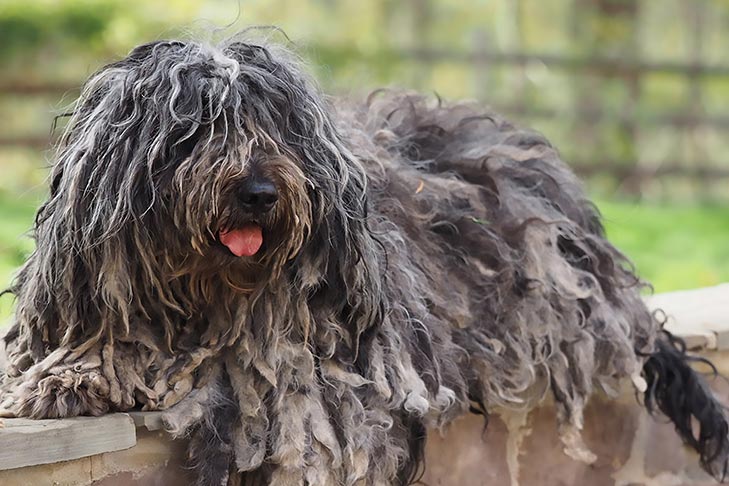
Bergamasco Sheepdogs can be traced back to the town of Bergamo, near Milan. Centuries ago, they were used to help expertly maneuver across rocky terrain in the Italian Alps. On these mountain excursions, the Bergamasco was bright, loyal, and protective. These traits still ring true, as this breed is among the more calm dog breeds. However, they may take some warming up around strangers.
They are extremely intelligent and want to understand why they’re instructed to perform a task. In their past on the rocky slopes of the Italian Alps, Bergamasco Sheepdogs helped protect their handlers from dangerous predators. The recognizable “flocked” coat of the Bergamasco requires surprisingly little grooming, making them a good low-maintenance breed.
Tibetan Spaniel
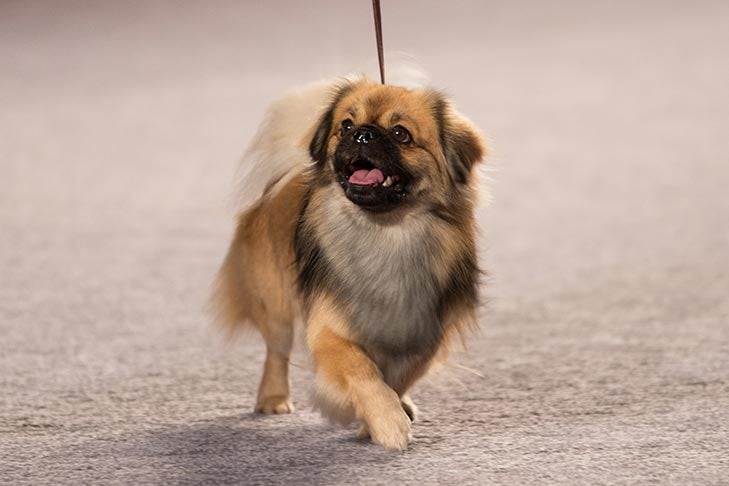
Tibetan Spaniels (Tibbies) were historic companions of Buddhist monks. The breed was a watchdog and worked atop Tibetan monasteries. Tibbies also provided warmth during frigid nights in the Himalayan Mountains.
From its origin, this calm dog breed was expected to portray a gentle demeanor. Through the centuries, standard traits grew to include easiness-to-please, independence, and intelligence. Tibbies’ gentle yet playful temperaments make them worthy competitors in dog sports like agility, AKC Rally, and obedience.
Irish Wolfhound

The enormous Irish Wolfhound was the result of breeding between larger dogs of Britain to Middle Eastern hounds. By the 15th century, the Irish countryside was overrun by wolves and Irish Wolfhounds hunted these predators almost to the point of extinction. Irish Wolfhounds even earned the honor of their own legend, a tale of loyalty called “Gelert, the Faithful Hound.”
Due to their incredible intelligence, Irish Wolfhounds learn quickly. They are both calm and sensitive to the emotions of humans, making them qualified for a wide range of therapy work.
Basset Hound

Standing no more than 14 inches, the Basset Hound originated in France and Belgium. The word “basset” is French for “low.” The breed came about when Franciscans of the Abbey of St. Hubert began breeding older French hounds to create the breed known today as the Basset Hound.
They have proven to be very independent and because of this, may be tricky to train. These hounds have been praised for following scents without any sense of distraction and remaining calm while doing so. This breed can develop a loyal partnership with their owners through training, but this will take persistence and patience. Once they’re trained, these lovable dogs will accomplish your needs and remain by your side, often content to snooze on the sofa.
Clumber Spaniel
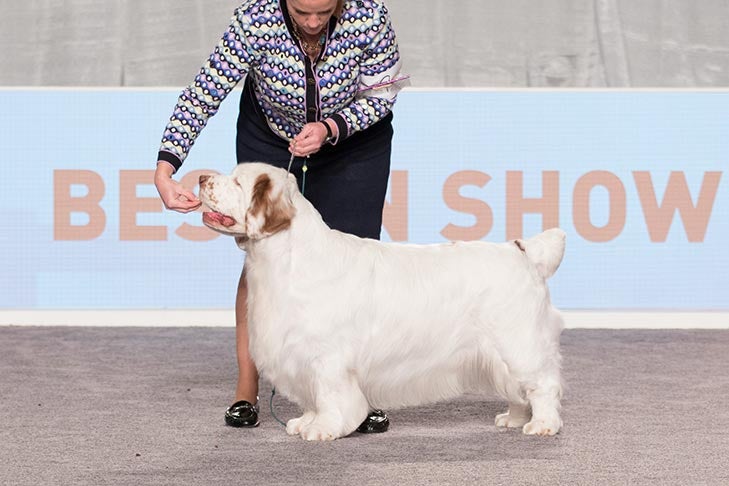
Known for being great hunters and loyal companions, Clumber Spaniels are among the calmer breeds in the Sporting Group. In the 1700s in Nottinghamshire, England, a burly flushing spaniel was bred for the Clumber Park estate, and thus the Clumber was born.
Being members of the upper crest of society and originating through the aid of royals, Clumbers are esteemed housemates. This breed is reliable and loves to think thoroughly through any decisions. Like any breed, they would thrive from training, but they are very affectionate and have a strong sense of dedication to their work.
Pekingese
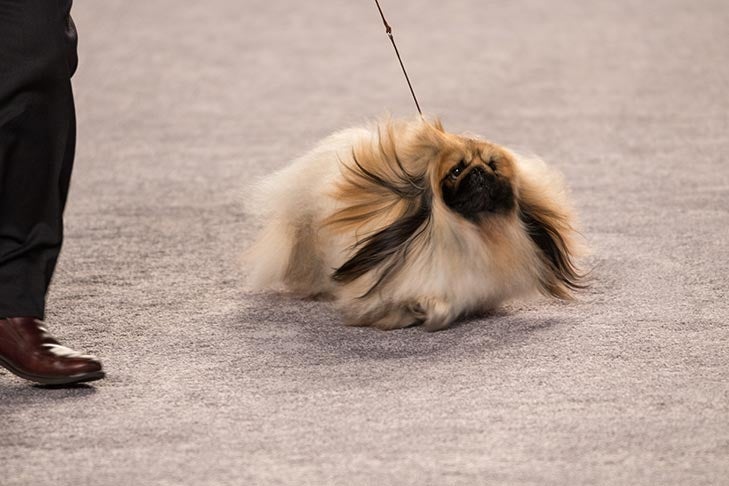
The regal Pekingese comes from China and is even said by some to have been created by Buddha. Outgoing and friendly, Pekes are extremely loving and have the personality to show it. Pekes build strong bonds with their owners, but can also be very independent. It’s important to note that Pekes would do well in a home without children, as they will adapt to children, but may not prefer them. For those that earn the respect of this loyal breed, the Pekingese is one of the more calm, affectionate, and kind of all canine companions.
Saint Bernard

Dating back to the year 1050 in the snow-covered slopes of the Alps, Saint Bernards helped hospice monks locate dead or missing travelers. Though the breed is incredibly large in stature, they are genial in disposition. Though they may have never carried brandy barrels, Saints have been known to carry a friendly smile as a result of their wrinkled brows.
Saint Bernards benefit tremendously from training classes as these dogs can knock people over, especially children. Kind, with big hearts, Saints will learn quickly to respond to commands and obey their humans. These gentle giants would fit best with families that can devote a lot of time to them, as they love being with their owners.
At AKC Marketplace, we can help you find your dream dog. You can find AKC-registerable puppies from responsible, passionate breeders, and we provide the tools you need for every step of the process. Visit marketplace.akc.org to start connecting with dog breeders in your area!