AKC is a participant in affiliate advertising programs designed to provide a means for sites to earn advertising fees by advertising and linking to akc.org. If you purchase a product through this article, we may receive a portion of the sale.
At first glance, dogs seem to have it made. Their days include frequent naps, nature walks, and staying blissfully ignorant about the financial burdens of existence. But despite their carefree reputation, dogs can experience stress. A few small adjustments to daily habits can make a real difference in how they feel.
In This Article
Dogs thrive on consistency, clear communication, and a sense of predictability. Understanding which behaviors can cause stress and learning how to adjust them can help your dog feel more secure and confident.
Keep Your Dog’s Routine Consistent
One of the best things you can do for your dog is sticking to a consistent routine. Dogs appreciate schedules and rules. They like knowing when things happen and what’s expected of them.
Their internal clocks help them anticipate when it’s time to wake up, eat, go for a walk, and settle down for the evening. Sudden or frequent changes to those routines can be unsettling. Establishing a regular schedule and sticking to it whenever possible helps create a sense of stability.
Consistency also matters when it comes to household expectations. Setting clear rules and having everyone in the household follow them helps your dog understand what’s expected and can reduce behavior problems.
For example, a dog that’s allowed to pull on the leash during some walks will have difficulty understanding why they’re supposed to walk on a loose leash by your side the rest of the time.
Use Clear, Consistent Commands
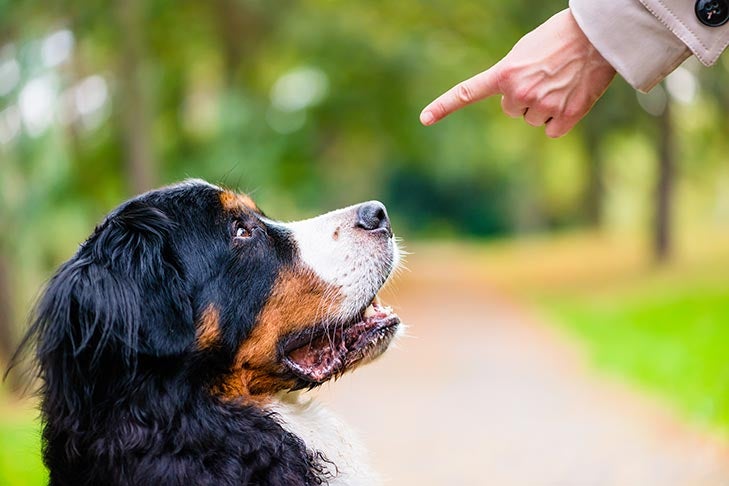
Dogs don’t understand human language the way we do. They learn to associate specific words with specific actions. When owners use multiple commands for the same behavior, it can create confusion and stress.
While phrases such as “drop it” and “give that here” may sound interchangeable to us, they can mean very different things to a dog. Choosing simple commands and using them consistently makes training easier and more effective.
It’s also worth avoiding using the same word for different behaviors. For instance, telling a dog to “get down” when they jump on furniture may be confusing, since “down” is also commonly used to mean lying down.
Soften Your Gaze Instead of Staring
It’s hard not to stare lovingly at your dog. However, too much eye contact can make some dogs uncomfortable. Learning to soften your gaze is a simple way to help put your dog at ease.
In canine body language, staring directly at another dog is often a sign of aggression. For dogs that are fearful, reactive, or already struggling with behavioral issues, direct staring may increase stress and, in some cases, trigger defensive behavior.
Instead of staring, try turning your body slightly to the side and softening your gaze. This approach can help a dog feel more at ease and may encourage them to seek interaction on their own terms.
Redirect Natural Behaviors Instead of Punishing Them
Dogs sometimes do things that frustrate their owners, like rolling in something smelly or stealing food off the counter. While these actions can be annoying, they’re often rooted in normal canine instincts.
A better approach than yelling or punishment is to manage the environment and reduce temptation whenever possible. For example, keeping tempting food out of reach can help prevent counter surfing. If your dog begins engaging in an undesirable behavior, redirect them to a more appropriate activity right away, such as chewing on a toy or playing a game.

Build Positive Associations, Not Just Verbal Reassurance
Telling your dog everything will be okay might seem like the right thing to do in a stressful situation. But while well-intentioned, dogs often associate words and phrases with the situations in which they hear them.
If your dog repeatedly hears “it’s okay” during a thunderstorm or a veterinary visit, they may begin to associate the phrase with something frightening rather than reassuring.
Instead of relying on verbal reassurance alone, help your dog create positive associations with stressful situations. Offering treats, engaging in a favorite game, or using behavior modification techniques can help reduce fear over time. For persistent anxiety or phobias, working with a qualified behaviorist may be beneficial.
Some fears, particularly those involving noises, people, or unfamiliar environments, can be linked to a lack of socialization. Exposing puppies to a wide range of positive experiences can help them develop confidence as adults.
Learn to Recognize Your Dog’s Stress Signals
Every dog is an individual, and what causes stress for one dog may not affect another. Learning to read canine body language can help you identify situations that make your dog uncomfortable.
Common signs of stress include:
- Avoiding eye contact
- Lip licking
- Yawning when not tired
- Pacing
- Changes in posture and behavior
The better you understand your dog’s signals, the easier it will be to make adjustments that help them feel safe and secure.
Key Takeaways
- Consistent daily routines help dogs feel more secure and can reduce stress caused by unexpected changes in their environment.
- Dogs learn best when owners use clear, consistent commands and household rules, which helps reduce confusion and frustration.
- Direct staring can make some dogs uncomfortable because prolonged eye contact is often interpreted as a social challenge in canine communication.
- Redirecting dogs toward appropriate behaviors is often more effective than punishment because it addresses natural instincts without increasing stress.
- Recognizing early signs of stress, such as lip licking, pacing, yawning when not tired, and avoiding eye contact, can help owners intervene before anxiety escalates.
Frequently Asked Questions
-
Why are routines important for reducing stress in dogs?
+
Consistent routines help dogs predict what will happen throughout the day. Knowing when to expect meals, walks, playtime, and rest can make dogs feel more secure and reduce anxiety caused by uncertainty.
-
Can inconsistent training increase stress in dogs?
+
Yes. When rules, commands, or expectations change frequently, dogs may become confused about what behavior is expected. Consistent communication helps dogs learn faster and feel more confident.
-
What are the most common signs of stress in dogs?
+
Common stress signals include lip licking, yawning when not tired, pacing, avoiding eye contact, changes in posture, and sudden shifts in behavior. These signs often appear before more obvious reactions.
-
How can I help my dog feel less anxious in stressful situations?
+
Pair stressful experiences with positive rewards such as treats, toys, games, or praise. Creating positive associations, maintaining predictable routines, and managing your dog’s environment can help build confidence over time.