

A substance called xylitol, also commonly called “birch sugar,” is making thousands of dogs sick and even causing death, affecting more pets now than ever before. And you might have it in your home right now.
The Pet Poison Helpline confirms that cases of xylitol poisoning have increased dramatically in recent years. “In 2018, we received nearly 4,000 cases and now have more than 20,000 such cases in our database,” Dr. Ahna Brutlag, the helpline’s Director of Veterinary Services, tells the American Kennel Club. She notes that, from 2013 to 2018, xylitol cases increased by 230%.
“While more dog owners have heard about xylitol, they’re still thinking it’s mainly in food products such as sugar-free gum, candy, and other foods,” Dr. Brutlag goes on. “More recently, we’re seeing it turn up in all sorts of surprising places—deodorant, peanut butter, personal lubricants, sleep aid pills—i.e., rapid dissolve melatonin tabs—shaving cream, human toothpaste, etc. Until recently, no one thought that their dog chewing into a tube of shaving cream or personal lubricant would pose a risk for fatality. ”
Here’s an opportunity to learn about this substance, why it’s dangerous to dogs, and what to do if your dog eats it.
What Is Xylitol, or Birch Sugar?
Xylitol/birch sugar is a sugar substitute most often associated with “sugar-free” chewing gum and mints. Dr. Brutlag points out, it’s also found in plenty of other places, including some brands of peanut butter or toothpaste, certain medications and vitamins, many sugar-free products (such as chocolate, gelatin desserts, yogurt, and pudding), and even some household products such as baby wipes and lip balm. A comprehensive list of products with xylitol is available.
Why Is Xylitol So Dangerous?
According to Caroline Coile, Phd., AKC Family Dog Nutrition & Health columnist: “The dog’s pancreas confuses xylitol with real sugar and releases insulin to store it. The insulin removes real sugar from the bloodstream and the dog can become weak, and have tremors and even seizures starting within 30 minutes of eating it.” Other symptoms of hypoglycemia include poor coordination and vomiting or diarrhea.
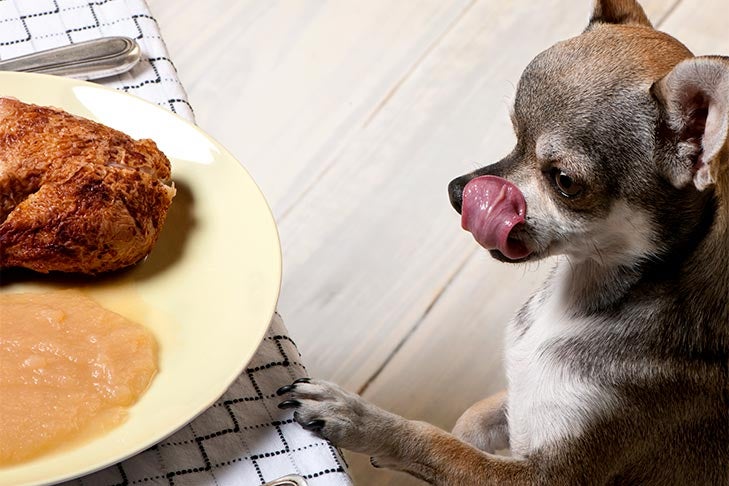
Xylitol ingestion can lead to liver failure or even death. Symptoms can take as much as eight hours to show up. Even a very small amount of xylitol can be fatal. In a small-breed dog, as little as two pieces of certain flavors of sugarless gum can cause problems.
How Is Xylitol Poisoning Treated?
If you suspect your dog ate something with xylitol/birch sugar in it, no matter how little it was, contact your veterinarian (or an emergency veterinarian if it’s off-hours) immediately.
“Because the amount of xylitol in gum and other products varies so widely and because some manufacturers don’t report how much is in their product,” Coile says. She advises calling your vet ASAP. A good prognosis is dependent on how quickly the pet is treated. Your veterinarian may need to stabilize your pet’s blood sugar, give intravenous fluids, monitor your pet, and use other therapies to treat symptoms.
How Can I Protect My Dog?
Read the Ingredients
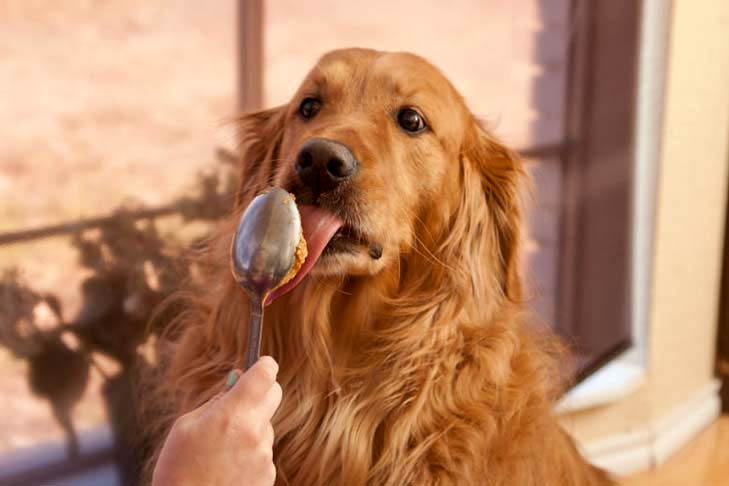
If you’re offering your dog peanut butter, look for xylitol and birch sugar in the ingredients, as some brands, namely specialty brands, are using the sugar substitute to sweeten their product. Also, check the label on products with buzz words relating to sugar, such as “reduced sugar,” “diabetic-friendly,” “cavity-free,” or “no sugar added,” for example, as these also may contain xylitol.

If xylitol is listed as the first or second ingredient, that product is the most toxic. Regardless, always notify a veterinarian as soon as possible if you suspect your dog has ingested anything that contains xylitol.
Keep Gum, Candies, Mints, and Purses Out of Reach
Even if you don’t typically have these items in your home, be sure that guests visiting keep their purses or bags out of the dog’s reach in case they are carrying xylitol-containing medications or products, such as gum, mints, or candies. Also, be aware of household products that contain xylitol. You can find alternatives or store them where your dog cannot reach them.
Be Prepared For Emergencies
Post the phone number to the Pet Poison Helpline (855-764-7661) as well as the number and address for your local emergency veterinarian in a place where all household members can see it. This is a good idea for all pet-related emergencies. That way, if your dog eats xylitol or another toxic substance, you’ll save precious minutes by getting them treated immediately.
This article is intended solely as general guidance, and does not constitute health or other professional advice. Individual situations and applicable laws vary by jurisdiction, and you are encouraged to obtain appropriate advice from qualified professionals in the applicable jurisdictions. We make no representations or warranties concerning any course of action taken by any person following or otherwise using the information offered or provided in this article, including any such information associated with and provided in connection with third-party products, and we will not be liable for any direct, indirect, consequential, special, exemplary or other damages that may result, including but not limited to economic loss, injury, illness or death.