AKC is a participant in affiliate advertising programs designed to provide a means for sites to earn advertising fees by advertising and linking to akc.org. If you purchase a product through this article, we may receive a portion of the sale.
It’s exciting to bring a new puppy into your life, but raising a puppy doesn’t always go smoothly. In fact, it’s guaranteed to bring challenges such as potty-training accidents and inappropriate chewing. For many dog owners, these hurdles can seem overwhelming.
In This Article
If you’re struggling with a new puppy or are thinking of adding one to your life, it’s important to have the right tools to tackle the challenges ahead.
Coping With the Puppy Blues
If you find yourself feeling exhausted and frustrated by your puppy, you’re not alone. Raising a puppy can throw off your routine, interrupt your sleep, and try your patience. It’s a 24-hour job, so say goodbye to leisure time. But if you prepare for the chaos and the potential for an emotional roller coaster, you won’t be taken by surprise if you start to feel regret or disappointment.
In fact, some people get the puppy blues, an experience similar to how some parents of new babies feel. Often, this involves a drop in mood or even acute depression, as well as negative feelings such as anxiety, frustration, and worry. If you’re feeling this way, know your emotions are valid. Reaching out for support and following the advice below can make a key difference in getting through this challenging period.

Potty Training Challenges
One of the first training challenges you’ll face when raising a puppy is potty training. Be aware, it’s likely your puppy will pee in the house at some point. However, the more accidents your puppy has, the longer you’ll be potty training. That’s because emptying their bowel or bladder gives a puppy relief — it’s self-rewarding. But don’t despair if potty training gets away from you. You can always go back to basics and start from scratch, no matter your dog’s age.
Your main goal with potty training is for your puppy to go in the right spot as much as possible while minimizing accidents. That means taking your puppy out as often as possible and at the times you predict they’ll need to go, such as after waking up or after a meal. You can’t anticipate when your puppy needs a potty break if you don’t watch them constantly. Never give your puppy freedom in the house until you know they understand where the toilet should be. If you can’t watch your puppy, put them in a safe space such as a crate or puppy playpen.
If you take your puppy out for a potty break and they don’t go within 15 minutes, take them back inside. Give them a break in their crate for about 10 minutes, then it’s time to try again. With so many sights and smells outside, puppies often get distracted and forget to go. A break and a retry usually works wonders.
Finally, reward your puppy heavily whenever they go in the right place. That means praise, a treat or toy, and the chance to sniff and explore. Taking your puppy out on a leash to the same spot every time can be helpful. Dogs like to go in places that already smell like their toilet. Once your puppy has gone, then it’s time for your walk or, if you’re in a safe enclosed space, unclip the leash and let your puppy play.

Managing Chewing and Destructive Behavior
You might wonder why your puppy is destroying everything you own. Well, puppies love to chew. Not only does it relieve teething pain, but it’s a fun way to pass the time. That means your puppy may chew furniture and baseboards, as well as shoes, remote controls, and anything else they can fit in their mouth.
First, keep anything you don’t want chewed out of your puppy’s reach. Shoes should be in the closet and remote controls in a drawer. It can also help to keep a light lead on your puppy while they’re roaming the house, so you can more easily control their movement and prevent problems before they start.
Second, provide your puppy with appropriate chews that allow them to engage in this natural behavior. Consider treat-dispensing chew toys that reward your dog for using them or edible chews like bully sticks. Just be sure they’re an appropriate size for your puppy and remove any pieces that break off and could pose a choking hazard.
Crate Training Troubles
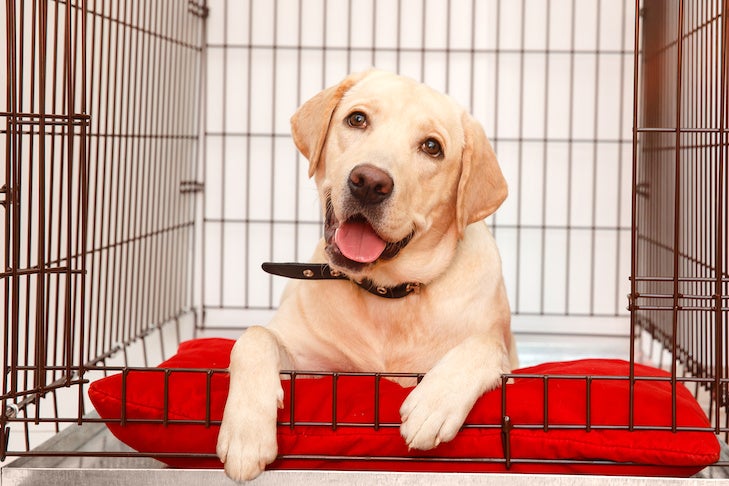
Every puppy needs to learn to be alone. It helps prevent separation anxiety and gives you some free time. But don’t expect your puppy to enjoy alone time unless you teach them how. One of the best places for your puppy to chill on their own is in a crate. Your puppy’s crate can become their personal den, a place they go voluntarily for a quiet nap. However, it’s not as simple as placing your puppy inside and closing the door.
Start crate training with short periods of time while the crate door is open. Encourage your puppy to enter independently by tossing treats or toys inside. Once your puppy is comfortable, you can begin closing the door for brief periods. But give your puppy something wonderful to do while inside, such as enjoying a small snuffle mat, a lick mat, or a food-stuffed chew toy.
Once your puppy has learned to love their crate, you can use it whenever you can’t watch their every move. Just be sure to choose an appropriately-sized crate. Your puppy should be able to stand up and turn around, but if they have an extra space, they might be tempted to use one end as a toilet.
Developing a Bond With Your Puppy
It can take time to build a bond with your new puppy. Remember that your puppy also has a lot to adjust to, so patience is key. It can help to give your puppy your full attention. Take time to appreciate their developing personality and learn to read dog body language, so you can understand what your puppy is trying to tell you. Consider playing training games, like the name game or “watch me,” to encourage your puppy to focus on you. And in the beginning, hand-feeding can strengthen your relationship. In time, you’ll be the center of each other’s worlds.
Top Tips for Raising a Puppy
Despite doing everything right, you might still struggle with raising a puppy. And that’s okay. Remember, it’s only temporary, and you’ll get there in the end. The following tips will help you overcome any overwhelming challenges.
- Be patient. Your puppy isn’t being bad on purpose. They’re simply being a dog. It’s not until they learn your expectations and the rules of the house that their behavior will begin to change. Plus, puppy brains are still developing.
- Establish a routine. Puppies do best with a set schedule. It will also help contain the chaos you might be feeling. Have regular times for feeding, walks, play, naps, and so on.
- Set your puppy up for success. Rather than worrying about problem behaviors, you can manage the their environment to prevent issues from happening in the first place, so your puppy is set up to make the right choices.
- Turn to experts for assistance. Raising a puppy is hard work, and it’s even harder if you try to do it alone. Ask your veterinarian or dog trainer about what you can expect at different stages of your puppy’s development. You can also take advantage of friends and family to help care for your puppy. Asking for help and getting a moment for yourself might be just the breather you need to come back ready to bond with your new pet.
Find everything from potty training to basic commands through 50 interactive video lessons, adaptable to your schedule! Perfect for new puppy owners. Enroll with Puppy Training by AKC Puppy Visor!