
AKC is a participant in affiliate advertising programs designed to provide a means for sites to earn advertising fees by advertising and linking to akc.org. If you purchase a product through this article, we may receive a portion of the sale.
There are so many new experiences and things to think about when you bring home your puppy that you may forget one of the most important parts of puppy homecoming: establishing a routine. Structure will help your new canine family member feel secure and know what’s expected of them. The best way to do this is to create a schedule and stick to it. The first few weeks with your new puppy is the time to start establishing good behaviors.
By the way, puppies aren’t the only ones who benefit from a schedule. It also makes life easier for the human members of the family. You won’t have to plan out every moment of your pup’s day, but there are a few important areas where a schedule can make the difference between a well-adjusted dog and chaos.
In This Article
Your Puppy’s Feeding Schedule
Unlike mature dogs that eat once or twice a day, most puppies need to eat puppy food three times a day. Make it easier to remember by planning their mealtimes around your own breakfast, lunch, and dinner. Wash out their water bowl and make sure it’s always filled with clean water, too.
Schedule Potty Breaks
Keep to a regular routine of taking your puppy outside at least every two-to-four hours and after every change of activity. This is especially important during house training and will keep accidents to a minimum.
Playtime Is Important!
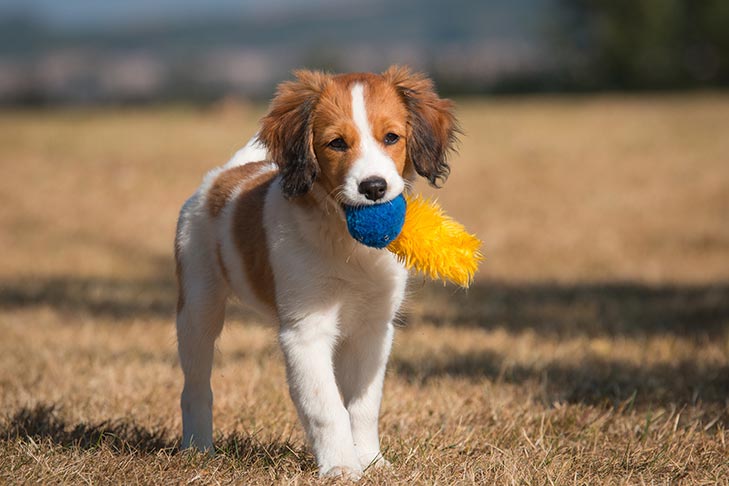
Your puppy needs exercise and interaction with you. A word of caution: sustained, strenuous exercise (long runs, jumping) is not good for puppies, but playing, mental stimulation, and running around in the yard are good. Some experts recommend waiting until a dog is about one year old before starting with serious exercise and this can vary by breed. Different dog breeds have different energy levels and rates of growth; the growth plates in their joints close at different ages. But do schedule play and exercise time into your puppy’s day: a walk around the neighborhood, playing with toys, and time spent bonding go a long way toward expending energy. Several shorter sessions are better for a puppy than one long one.
Naps and Bedtime
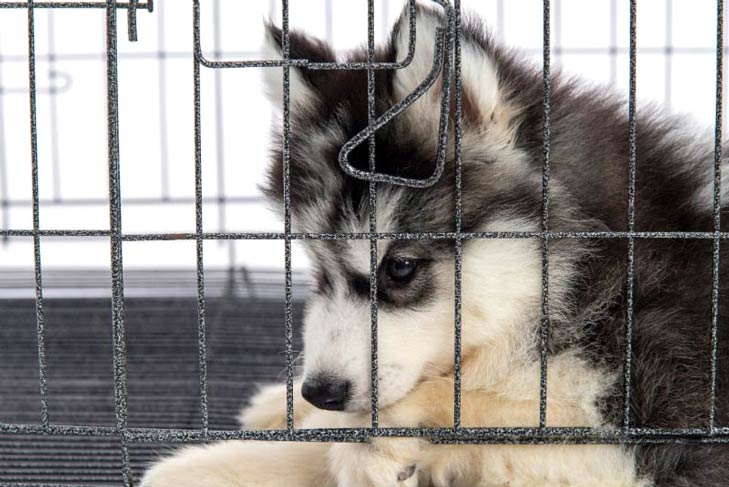
Young puppies sleep a great deal of the time; in fact, some will sleep as much as 16-to-18 hours a day. Plan on quiet nap times for them several times during the day. Family members, especially young children, should learn not to disturb them when they’re sleeping. They need rest! You may need to put a crate in a quiet part of the house so they won’t be distracted by the hustle and bustle that may be going on during naptime.
When it comes to bedtime, some owners set a specific time to settle their puppy down for the night. Others just want them to sleep when they sleep. It may be easier to set a puppy bedtime and help them get used to the routine.
Do I Have to Make a Schedule for My Puppy?
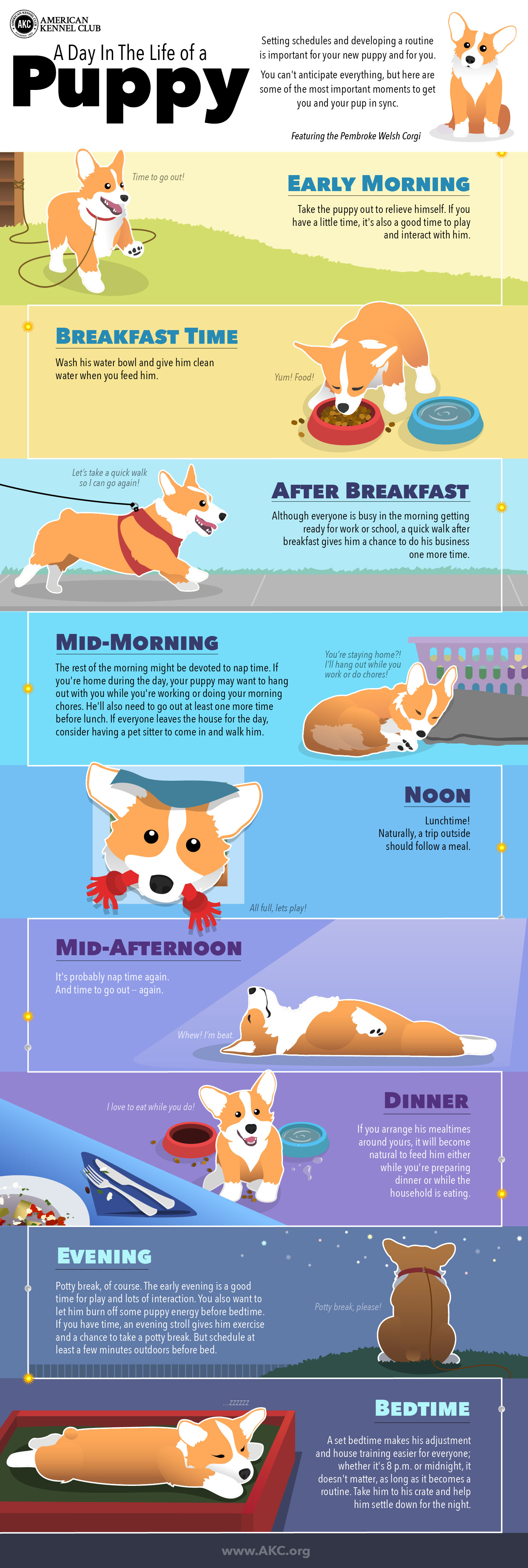
The sooner you set a schedule, the sooner they’ll adjust to their new family and you to them. Routine makes it easier for everyone, humans included, to know what’s acceptable behavior and what’s expected. Keep in mind that high jinks from an adorable puppy or little “accidents” will not seem so adorable when they’re a full-grown dog. The sample schedule below is a good place to start; you may need to tailor it to suit your puppy.
A Sample Puppy Schedule
- First thing in the morning: Take the puppy out to relieve themselves. Make time to play and interact with them after they’ve taken care of business.
- Breakfast time: Feed the puppy. Leave the food down for no longer than 15 minutes. After that, pick up the bowl and give no more food until the next meal (except for small treats used for training). Wash the water bowl and provide clean water.
- After puppy’s breakfast: Puppies usually need to relieve themselves again, within a few minutes of eating, so give another potty opportunity. After this, spend some time playing and/or doing a little training with your puppy. And though everyone is busy in the morning getting ready for work or school, make time for a quick walk to give him a chance to do his business one more time.
- Mid-morning: The rest of the morning might be devoted to nap time, ideally in a dog crate or pen. Even if you’re home during the day, your puppy should spend time in a crate or pen; this will help them learn how to be alone when necessary. It’s also impossible to know what a puppy will get into when you turn away for a moment and there needs to be a place to put them when you can’t supervise directly. If they will be home alone for more hours than they can control their bladder or bowels, you need to set up a pen with an area for them to relieve themselves – or consider having a pet sitter come to take them out.
- Noon: A repeat of the early morning routine – as soon as they wakes up, a trip outside. Then lunch, and another trip outside should follow the meal. Spend some time playing with and training them, so they can burn some energy. And don’t forget one more potty break before the afternoon nap!
- Mid-afternoon: When they wake up, it’s time to go out — again. And time to play and train, again. Then a chance to potty. If you’re home, they can hang out with you for a while before dinner.
- Dinner: If you arrange their mealtimes around yours, it will become natural to feed them either while you’re preparing dinner or while the household is eating. But pay attention so you can take them outside as soon as they’re finished. Before the family sits down to dinner, it’s a good idea to give the puppy a chew toy to enjoy in their crate. This way they won’t get underfoot, and nobody will be tempted to give them tidbits from the table.
- Evening: Another potty break! The early evening is a good time for lots of interaction. For many puppies this is the “witching hour,” and if you anticipate it by initiating play, they may settle down. If they don’t, even after plenty of exercise, give them a treat and let them settle in the crate for a while. Later, an evening stroll gives them exercise and a chance to take a potty break. And make sure they potty right before bed.
- Bedtime: A set bedtime makes their adjustment and house training easier for everyone. It doesn’t matter if it’s 8 p.m. or midnight, as long as it becomes a routine. Take them to their crate and help them settle down for the night.
- Night: If your puppy is not yet able to make it through the night, set an alarm so you can get up and take them out for a quick, boring potty break. It’s better to wake up a little before you think they will, so that you’re not responding to whining and barking. Then back to bed so you’ll be ready for the next wonderful day with your puppy!
By establishing the routine from the very beginning, you’ll be on your way to a happy, well-adjusted dog. It’s worth putting in the time and effort right now so that undesirable habits and behaviors won’t stand a chance.
About Purina Pro Plan
Purina Pro Plan is a leader in the advanced nutrition category, with more than 140 targeted formulas to help your pet thrive throughout every stage of life. For more information, visit www.proplan.com or follow @ProPlan on Twitter, Instagram, or Facebook.
