Eating a snack is a quick way to earn a begging look from your dog, and while it’s tempting to share your treat with them, not all human foods are safe for them to consume. If you’re looking for something tasty, green beans are among the foods that are safe for your dog to eat. The crunchy vegetable offers some nutritional benefits, but only when served in moderation.
In This Article
If you’re unsure of certain foods, it’s always best to consult with your veterinarian before adding anything new to your dog’s diet. A nutritionist can also work with you to create a well-balanced meal plan filled with supplements and proper nutrients for your pet.
Are Green Beans Safe for Dogs?
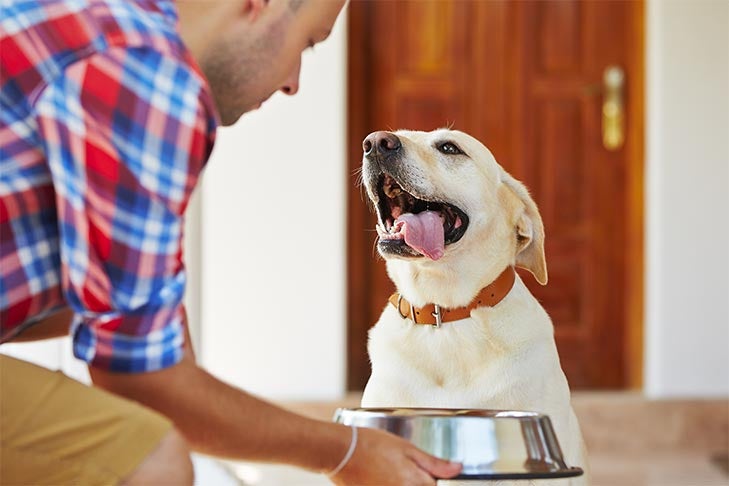
Dr. Karen Cantor, Director of Veterinary Medicine at Westside Veterinary Center in New York City, says that green beans are safe for dogs to eat in moderation. However, she adds that you should “avoid canned green beans” because they contain high amounts of salt. Fresh, raw green beans, she says, are rich in vitamins A, C, and K, as well as the minerals iron and magnesium.
The food is versatile enough to be served cooked or raw, either as part of their regular diet or given as a tasty yet healthy treat. However, green beans cooked with butter aren’t recommended and never feed dogs green beans cooked with garlic or garlic salt.
What Other Vegetables Can Dogs Enjoy?
Green beans aren’t the only vegetables your dog can eat. There are additional options that you can feed your pet in moderation.
“We usually stick to green beans and carrots as treats, but others can be fine, such as cucumber and squash,” says Dr. Angela Burrington, Medical Director and Chief of Staff at Veremedy Pet Hospitals in White River Junction, VT. “Brussels sprouts and broccoli could make a dog gassy or uncomfortable, but are not toxic.”
Additional vegetables that are safe but not recommended to include in a dog’s diet include corn, peas, potatoes, and sweet potatoes. Dr. Burrington warns that, when served in high quantities, these vegetables can add significant calories to a dog’s diet, though they’re sometimes used as a base carb source.
Green Beans Are a Healthy Treat
In general, you should only give your dog green beans as low-calorie treats. However, Dr. Burrington notes that you can also incorporate them into home-cooked diets to provide vitamins and additional nutrients. Nevertheless, it’s always recommended to consult with a veterinary nutritionist when formulating a home-cooked diet for your dog.
While treats are a quick way to make your dog happy, you want to make sure you’re not overfeeding them. Treats shouldn’t become the base of your dog’s diet, as you risk removing the nutrients that are required for a healthy diet.
The best way to determine how to incorporate new treats and foods into your pet’s diet is to consult with a nutritionist who can create a personalized plan tailored to your dog’s breed, weight, and age.
Green beans are low in calories and can also be used to help dogs lose weight, according to Dr. Burrington. “The added bulk and fiber help the dog feel full, while not adding much in the way of calories,” she says. “They can also be used instead of treats for the same reason. Otherwise, they aren’t needed when a dog is fed a balanced diet consisting of commercial dog food.

How to Serve Your Dog Green Beans
Both Dr. Cantor and Dr. Burrington advise consulting with a veterinarian before giving your dog green beans. In the event that your dog has eaten green beans before you’ve had a chance to talk with your vet, you should treat it the same as when you offer your pet any new food.
Monitor them closely and look for signs such as labored breathing, upset stomach, vomiting, and any other abnormal changes to their behavior.
Green beans can be served pretty easily to your dog with simple prep. Boil them in water or steam them, but keep them plain. Plain green beans are appropriate for dogs, but remember that commonly cooked human green bean recipes are not safe for dogs. Do not give your dog green beens with added salt, butter, or garlic. If your dog eats these, notify your vet immediately.
Keeping out the harmful ingredients in green beans allows them to have a delicious treat and enjoy the nutritional benefits of the vegetable.
Key Takeaways
- Green beans are safe for most dogs when fed in moderation.
- Fresh, raw, and plain cooked green beans provide vitamins, minerals, and fiber.
- Avoid canned green beans with added salt, as well as green beans prepared with butter, garlic, or garlic salt.
- Green beans can serve as a low-calorie treat and may help some dogs feel fuller during weight-management efforts.
- Consult your veterinarian before making significant changes to your dog’s diet.
Frequently Asked Questions
-
Can dogs eat raw green beans?
+
Yes. Fresh, raw green beans are safe for most dogs in moderation and provide vitamins, minerals, and fiber.
-
Can dogs eat canned green beans?
+
Not all canned green beans are safe for dogs. Many varieties contain high amounts of added salt, so plain fresh or cooked green beans are generally a better option.
-
Are cooked green beans safe for dogs?
+
Yes. According to Dr. Karen Cantor, Director of Veterinary Medicine at Westside Veterinary Center, plain cooked green beans can be a healthy treat for dogs. Avoid serving green beans prepared with butter, garlic, garlic salt, or other seasonings that may be harmful to dogs.
-
Can green beans help dogs lose weight??
+
Possibly. Dr. Angela Burrington, Medical Director and Chief of Staff at Veremedy Pet Hospitals, explains that the fiber and bulk in green beans may help some dogs feel fuller while adding relatively few calories. Green beans are sometimes used as part of a veterinarian-supervised weight-management plan.