AKC is a participant in affiliate advertising programs designed to provide a means for sites to earn advertising fees by advertising and linking to akc.org. If you purchase a product through this article, we may receive a portion of the sale.
You may have noticed that your dog often reacts to sounds you can’t detect, especially those at high frequencies. The average dog’s hearing is approximately four times stronger than the average person’s, thanks to a deeper ear canal that funnels sound to the eardrum more efficiently than the human ear does. In the days before canines became domesticated, detecting high-frequency sounds, like the squeaks made by small animals, was critical for survival.
In This Article
Because of their hearing acuity, dogs are more vulnerable to pain, damage, and anxiety that intense, high-decibel sounds can cause. Recently, a variety of ear muffs designed for dogs are helping to protect canine hearing.
When Dogs May Benefit From Ear Muffs
Some dogs benefit from ear muffs when they’re exposed to noise that can’t be avoided or reduced. While not necessary for everyday use, they may be helpful in environments where sound levels are intense, prolonged, or unpredictable.
Short, Intense Noise Exposure
Hunting dogs and police dogs are exposed, as are their humans, to the sudden explosive noise of a gun. Research has shown that hunting dogs may experience injury to their inner ear that eventually causes hearing damage. Similarly, fireworks at near proximity may damage a dog’s hearing. Well-fitted, noise-reducing ear muffs can offer some protection.
Long-Term or Ongoing Noises
If you live in a city with constant traffic noise, your walks can be irrepressibly noisy to your dog. If you board your dog at a kennel, the barking of other dogs can be very stressful and cause hearing impairment. Dogs may also react to noises while traveling in cars, on public transportation, or on airplanes. Ear muffs can provide some relief in any of these situations.
Dogs With Noise Sensitivity
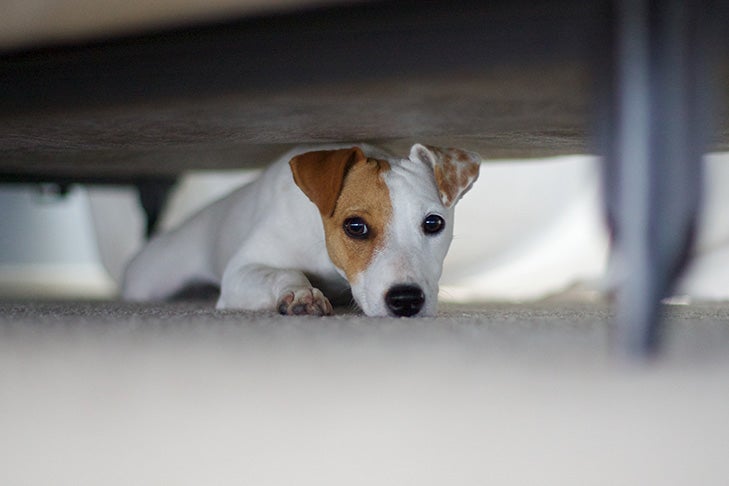
Many dogs are noise-sensitive and suffer anxiety over an assortment of noises, including thunder, vacuum cleaners, smoke detectors, clothes dryers, or car alarms. Muffling those noises with ear muffs can calm your dog but should be coupled with behavior modification. Your dog is hearing the noise as well as feeling vibrations and sound waves, so ear muffs aren’t a one-shot solution, but they can help.
Noise During Grooming
Researchers studied industrial blow dryers used by some dog groomers. They found that the average noise level during several hours of low intensity had the potential to damage the hearing of the dogs and the groomer. Ear muffs could potentially protect dogs exposed to the noise for hours at a time.
Features to Consider When Purchasing Ear Muffs
Keep the following factors in mind when shopping for ear muffs to find the right fit for your dog’s needs:
Comfort and Fit
If your dog isn’t comfortable wearing the ear muffs you buy, they won’t be useful.
- Ear muffs come in different shapes with varying padding; rounded styles tend to suit certain head shapes better
- Some models have thicker padding, while others are less intimidating to put on your dog’s head
- Small dogs typically need lightweight ear muffs for comfort
Size
A Bulldog and a Papillon have vastly different head shapes and sizes. That’s why ear muffs are available in a variety of sizes, and some have straps to make them easily adjustable. Follow the manufacturer’s instructions and measure your dog carefully before you order. If ear muffs don’t fit right, they won’t cancel out the noise.
Noise Protection
The loudness and intensity of a sound are measured in decibel (dB) units. The human ear registers discomfort at around 120 dB and pain when noise reaches about 140 dB, while a dog’s hearing discomfort starts as low as 90 dB.
Read what the manufacturers say about estimated decibel noise reduction based on testing. Remember, you don’t want your dog’s ear muffs to cancel out all noise since this could be dangerous for them.
Materials
Dogs often shake their heads and bend down to sniff, so look for ear muffs made of non-breakable, lightweight materials, such as ABS plastic. If you try to introduce ear muffs, but your dog is too uncomfortable with their bulk, a stretchy soft material hood or snood might be calming in instances of noise anxiety. However, note that these options may not be as effective at reducing the noise level.

How to Introduce Your Dog to Earmuffs
Teaching your dog to wear ear muffs in gradual, calm, and positive steps is critical if you want them to wear something so foreign. Remember to introduce your dog to wearing ear muffs in a familiar environment before any situation when they’ll need them, such as fireworks.
- First, put the ear muffs on the ground and let your dog see and sniff them. When the dog touches them, reward them with a treat.
- Next time you bring them out, slowly touch them to an ear and treat. Do this until your dog thinks nothing of it.
- Open the ear muffs and hold them gently on the dog’s head. Treat and remove quickly.
- Repeat putting the ear muffs on your dog without making any adjustments and giving treats for brief periods, but slightly longer each time until the dog is comfortable wearing them.
Age-Related Hearing Changes and Safety
Hearing often declines as dogs age, which can affect their ability to locate sounds accurately. This can become a safety concern, especially outdoors. While ear muffs are not a solution for hearing loss, being aware of changes in your dog’s responsiveness can help you take precautions, such as using visual cues or keeping them in secure areas.
Key Takeaways
- Dogs have more sensitive hearing than humans, making them vulnerable to loud noise
- Ear muffs can help protect hearing and reduce stress in specific high-noise situations
- They are most useful for hunting, travel, grooming, or noise-sensitive dogs
- Proper fit, comfort, and moderate noise reduction are essential
- Ear muffs work best alongside training and behavior modification
Frequently Asked Questions
-
Do ear muffs fully block sound for dogs?
+
No. Most dog ear muffs are designed to reduce noise, not eliminate it entirely. Dogs still need to hear environmental sounds for safety, so partial noise reduction is the goal.
-
Can ear muffs help with fireworks anxiety?
+
They can help reduce the intensity of the noise, which may make your dog more comfortable. However, they are most effective when used alongside behavior training or calming strategies.
-
Are dog ear muffs safe for everyday use?
+
Some dogs may never tolerate ear muffs. Gradual, reward-based training can help, but alternatives like soft hoods may provide mild comfort for anxious dogs.
-
How do I know if the fit is correct?
+
Ear muffs should sit securely without pressing too tightly. If they shift easily or seem uncomfortable, they may not provide effective noise reduction.