AKC is a participant in affiliate advertising programs designed to provide a means for sites to earn advertising fees by advertising and linking to akc.org. If you purchase a product through this article, we may receive a portion of the sale.
When it’s warm outside, humans tend to flock to the water. Whether you’re swimming, boating, paddleboarding, or relaxing by the water, it can be tempting to include your dog in every outdoor adventure. But water can present risks for dogs, especially if they’re inexperienced swimmers, uncomfortable around water, or spending long periods on a boat. Here are tips on how to keep your dog safe when they’re by the water.
In This Article
Choose the Right Life Jacket
One of the most important steps you can take before any water activity is putting your dog in a life jacket. Whether your dog is swimming or riding a boat, a properly fitted life jacket in good condition can help prevent drowning accidents.
“A worn-out life jacket can be dangerous,” says Jennifer Fish, owner of Dogs Gone Swimming Wellness Center in Portland, Oregon, who also holds a certificate in canine hydrotherapy. “Also, make sure the jacket is snugly fitted around the dog’s neck. I’ve seen dogs get their front leg caught in the front of a loosely fitted life jacket.”
Before heading out on the water, inspect the life jacket for wear and tear and ensure it fits securely without restricting your dog’s movement.
Provide a Safe Introduction to the Water
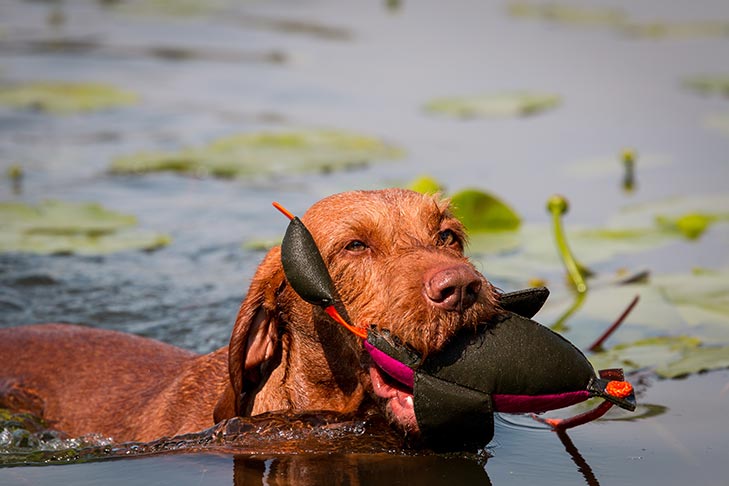
Many dogs need time to build confidence around water. A positive, gradual introduction can help create a safer and more enjoyable experience.
If your dog is swimming for the first time, start in a quiet area where they can enter and exit the water easily. Fish recommends finding “calm, warm water with a gentle, sloping bank.”
“Bring your dog’s favorite treats and toys and be prepared to get in the water yourself. Start by encouraging your dog to step into the water and walk along the bank. Slowly encourage them out deeper as they get comfortable. Once they are comfortable walking into the water, encourage them to step off and swim to a toy or treat.”
Fish adds, “If the dog swims, allow them to turn back to the bank where they can stand, helping them if needed. Many dogs are uncertain of stepping off to swim. If that’s the case, gently carry them a few feet out into the water and let them go to swim toward the bank, guiding them if necessary. Once they are comfortable with swimming straight back to the bank, try to encourage them to step off and swim on their own again.”
Not every dog enjoys being in the water. If your dog repeatedly avoids it or appears stressed, don’t force the experience. Instead, choose a different activity that you’ll both enjoy.
Supervise Your Dog at All Times
Even strong swimmers should never be left unattended in the water. Continuous supervision allows you to spot signs of fatigue, stress, or unsafe behavior before they become emergencies.
“Some dogs naturally want to bite and splash at the water while swimming,” adds Fish. “I always caution owners from encouraging this behavior, as it can quickly develop into obsessive-compulsive behavior. This could result in a dog that won’t come out of the water when called, potentially swimming to exhaustion. Try to redirect the dog’s attention with a toy instead.”
Owners should also watch for excessive water ingestion. “Some dogs tend to swallow a lot of water while holding a toy,” Fish says. “Small, flat toys are best for these dogs.” Drinking too much water while swimming can lead to water intoxication, a potentially life-threatening condition.
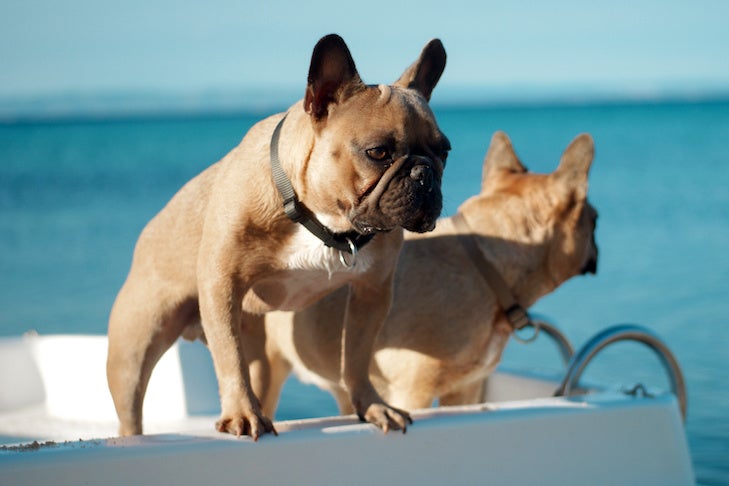
When you’re on a boat, keep a close eye on your dog to prevent them from jumping overboard. A leash can help provide control, but it should be short enough that your dog cannot accidentally go over the side while you’re holding on to them.
Plan for Rest and Potty Breaks
Time on the water can be more physically demanding for dogs than many owners realize. Regular breaks help prevent exhaustion and allow your dog time to recover.
If you’re spending hours on a boat or taking an overnight trip, plan ahead to meet your dog’s bathroom needs. One option is to designate an onboard potty area using pads or artificial grass if docking isn’t practical.
Swimming can also be surprisingly strenuous. “One minute of swimming roughly equals four minutes of running on land,” says Fish.
Providing opportunities to rest between swim sessions can help prevent overexertion and keep your dog comfortable throughout the day.
Bring Plenty of Fresh Drinking Water
Dogs shouldn’t rely on lake, river, or ocean water to stay hydrated. Drinking from natural bodies of water can create health risks and may also contribute to excessive water intake while swimming.
Always bring fresh drinking water for your dog, especially on hot days or extended outings. Consider using products like portable water bottles with attached bowls to make it easier to keep your dog hydrated wherever your adventures take you.
Key Takeaways
- A properly fitted life jacket is essential for dogs swimming or riding on boats.
- Introduce dogs to water and watercraft gradually using treats, toys, and positive experiences.
- Never allow a dog to swim without close human supervision.
- Schedule regular swim, rest, and potty breaks to prevent fatigue and discomfort.
- Always provide fresh drinking water instead of allowing dogs to drink from lakes or oceans.
Frequently Asked Questions
-
Do all dogs need a life jacket around water?
+
A life jacket is strongly recommended for dogs swimming or spending time on boats, regardless of their swimming ability. A properly fitted life jacket can provide extra buoyancy and improve safety in unexpected situations. -
How can I help my dog learn to swim?
+
Start in calm, warm water with an easy exit point. Use treats, toys, and encouragement, and allow your dog to progress at their own pace. Never force a dog into the water.
-
Why shouldn't my dog drink lake or ocean water?
+
Dogs can ingest harmful amounts of water while swimming, and drinking from natural bodies of water may increase health risks. Bringing fresh drinking water helps keep your dog hydrated safely.
-
Should I keep my dog on a leash while boating?
+
A leash can help prevent your dog from jumping overboard, but it should be short enough that your dog cannot accidentally go over the side while still attached.
This article is intended solely as general guidance, and does not constitute health or other professional advice. Individual situations and applicable laws vary by jurisdiction, and you are encouraged to obtain appropriate advice from qualified professionals in the applicable jurisdictions. We make no representations or warranties concerning any course of action taken by any person following or otherwise using the information offered or provided in this article, including any such information associated with and provided in connection with third-party products, and we will not be liable for any direct, indirect, consequential, special, exemplary or other damages that may result, including but not limited to economic loss, injury, illness or death.