AKC is a participant in affiliate advertising programs designed to provide a means for sites to earn advertising fees by advertising and linking to akc.org. If you purchase a product through this article, we may receive a portion of the sale.
Whether we’re young or old, dogs are great company. Our canine companions decrease feelings of loneliness — keeping us company when we’re at home and helping us meet other people when we take them out. In a study of adults 60 years or older, pet owners were 36% less likely to consider themselves lonely than non-pet owners.
In This Article
Dog ownership can also reduce our stress levels and blood pressure and lower our risk of death due to heart disease. Taking care of a dog helps us stick to a healthy routine and exercise daily.
How to Choose the Right Dog for You
“Seniors” are defined by society according to age, and that age varies widely. It can be 55, 62, or 65 and older. But the important consideration when deciding whether to add a dog to your life isn’t age as much as lifestyle and physical ability to take care of a dog.
Consider these factors to help you decide whether a dog is right for you:
- The amount of exercise you’re capable of and enjoy
- Your experience training dogs and the trainability of the breed that interests you
- Lifespan of the breed and whether you have someone committed to caring for a dog if you can’t
- Whether the breed is reactive to strangers or other dogs, particularly if you live in a multi-unit building where barking would disturb your neighbors
- Your physical ability to walk and groom a large, medium, or small dog
- The financial requirements of dog supplies, veterinarian costs, food, pet sitter, obedience classes, etc.
- Your travel expectations and whether you want your dog to travel with you
- Whether the breed has the temperament to socialize well with children, if you have or expect to have grandchildren

Finding Your New Companion
If you’ve decided that you’re ready to bring a dog into your life, talk to responsible breeders, ask them questions, and meet some of their dogs. You might want a puppy, or you could prefer an adult dog that’s already housebroken and leash trained. Breeders can help you find your best match.
Here are breeds that could be great fits for senior owners.
Havanese
The only breed native to Cuba, the Havanese is a cheerful, quiet little dog described as “happy, loving, intelligent, social, and accommodating” by the breed club. They’re content to stay inside and snuggle with their humans and will play patiently with children.
Havanese don’t require much exercise, but they’re happy to take occasional short walks. Their coat of silky hair continues to grow, so they do require regular grooming.
Pug
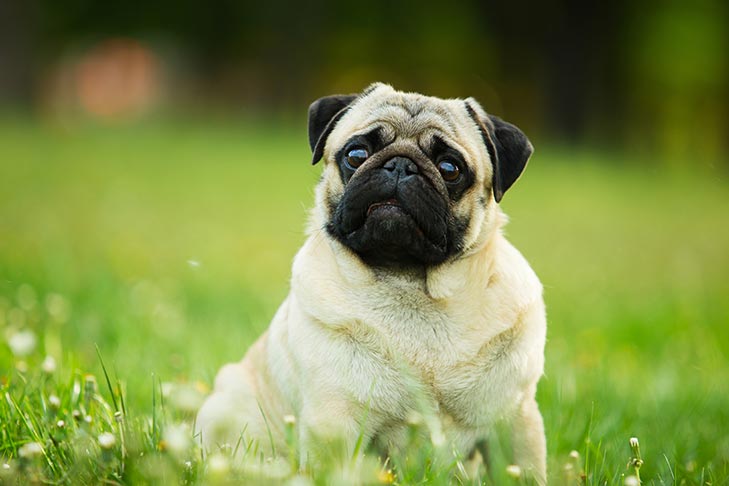
Centuries ago, the emperors of China loved their Pugs. The short-haired, muscular, 14-to-18-pound dogs were bred to be companions with even temperaments. Pugs tend to shed a lot, but are easily trained, playful with children, loving with their owners, and charming with strangers.
English Cocker Spaniel
For the more active senior, the English Cocker Spaniel (ECS) is a medium-sized, lively, and exuberant dog. Most require a couple of 30-minute walks a day, but also love spending time curled up with you on the couch.
English Cocker Spaniels have a strong desire to please and are quick learners. They’re good travelers and are happy to be wherever you are, irresistible with their soulful brown eyes and soft ears. Regular grooming is key for English Cockers, including a thorough brushing at least once a week to keep their coat looking its best.
Italian Greyhound
This playful, loving, and graceful little dog that resembles a miniature Greyhound would rather be on your lap or your bed than on the floor. Italian Greyhounds (IGs) aren’t as fragile as they look. They’re sighthounds who will chase prey, so they should be kept on a leash or within a fenced area.
IGs require regular exercise. Because they have short hair and little body fat, they appreciate a coat or sweater when it’s chilly.
Shih Tzu
A solid little dog weighing up to 16 pounds, the Shih Tzu requires minimal exercise and is content living in apartments, so long as you’re there, too. Shih Tzu owners say the breed is “happy, even-tempered, and eager to please,” and they get along well with other dogs and with children.
If the silky coat is kept long, it requires daily brushing. A groomer can also give the Shih Tzu a “puppy trim” that’s much easier to look after.
Coton de Tulear
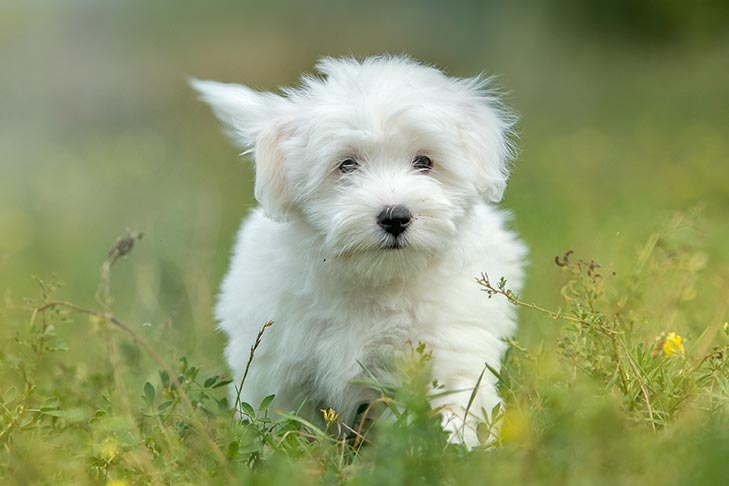
Originally from Madagascar, the Coton de Tulear, with its long, white, cottony coat, doesn’t shed much. This hardy breed will enjoy all types of weather but is an indoor dog that thrives on human companionship.
Coton can live 15-to-19 years, are easy to train, and get along with everyone including other dogs. They adapt well to travel and require moderate exercise, enjoying daily walks with you.
Dachshund
Dachshunds come in two sizes (standard and miniature), three coat types (smooth, longhaired, wirehaired), and various colors. When socialized early, they can be good with children, and they form strong bonds with their owner.
Grooming is a cinch because they stay clean and don’t smell. Weight control is important with Doxies since they’re susceptible to back problems, so a couple of short walks a day is advisable.
Cavalier King Charles Spaniel
The Cavalier King Charles Spaniel was bred to be a comforting, non-aggressive, and gentle pet. Many of these happy dogs consider everyone to be a friend. Their even temper, loving expression, and feathery coat makes them very appealing.
They’re trainable and adapt well to their owner’s preferences, whether it’s an active, outdoorsy lifestyle, or a laid-back snuggle in a big leather chair.
French Bulldog
Since 2022, the French Bulldog has scored as the most popular dog breed based on AKC registration statistics, and with good reason. With their big brown eyes and alert ears, they’re hard to resist.
The French Bulldog breed standard describes them as: “Well-behaved, adaptable, and comfortable companions with an affectionate nature and even disposition; generally active, alert, and playful, but not unduly boisterous.” They don’t bark a lot, so they can be good apartment dwellers.
Pomeranian

The tiny, vivacious Pomeranian with their wonderful-to-pet silky coats descend from Spitz dogs in the Arctic region of Iceland. Famous Pomeranian enthusiasts include Mozart, Chopin, and Michelangelo.
Poms are smart and easy to train, and their playfulness is satisfied with indoor games or short outdoor walks. They also enjoy time to just hang out on your lap.
American Hairless Terrier
Whether you have allergies or you don’t, the American Hairless Terrier may be a breed you want to consider. Both the hairless and coated varieties are friendly, spirited, and smart.
Strictly indoor dogs who must be protected from too much sun or cold weather, American Hairless Terriers do well living in apartments. These attractive, inquisitive little dogs require minimal exercise and grooming.
Yorkshire Terrier
They weigh in at about 7 pounds, but Yorkshire Terriers think of themselves as big dogs. Smart and outgoing, they can also be stubborn, so experience with training dogs is an advantage if you get a Yorkie.
Yorkies are also loving and affectionate companions. Early socialization with children, strangers, and new places helps them be confident and merry.
Key Takeaways
- The best dog for a senior depends more on lifestyle and physical ability than age.
- Dogs can help reduce loneliness, encourage activity, and support overall well-being.
- Exercise needs, grooming requirements, trainability, and living arrangements are important factors when choosing a breed.
- Many small companion breeds and moderate-energy dogs can be excellent matches for older adults.
- Responsible breeders can help match prospective owners with a dog suited to their lifestyle and expectations.
Frequently Asked Questions
-
What is the best dog breed for a senior?
+
There is no single best breed for every senior. The ideal dog depends on factors such as activity level, living situation, grooming preferences, and experience with training.
-
Are small dogs better for older adults?
+
Not always. Small dogs may be easier to lift and handle, but some have high energy levels. The best choice is a breed whose exercise and care requirements fit your lifestyle.
-
Should seniors get a puppy or an adult dog?
+
Some older adults enjoy raising a puppy, while others prefer an adult dog that may already be housebroken and leash trained. Both options can work depending on your preferences and lifestyle.
-
Which dog breeds are good for active seniors?
+
The English Cocker Spaniel, Italian Greyhound, Coton de Tulear, Dachshund, and Cavalier King Charles Spaniel can be good options for older adults who enjoy regular walks and daily activity.