AKC is a participant in affiliate advertising programs designed to provide a means for sites to earn advertising fees by advertising and linking to akc.org. If you purchase a product through this article, we may receive a portion of the sale.
If your dog develops cancer, it can be frightening and overwhelming. Cancer is the uncontrolled growth of abnormal cells, but the impact on your dog depends on where the cancer develops, whether it has spread, and the specific type involved. Cancer affects approximately one in three dogs during their lifetime and is especially common in senior dogs. Understanding the risk factors, warning signs, diagnostic process, and treatment options can help you make informed decisions about your dog’s care.
How Common is Cancer in Dogs?
According to Dr. Skylar Sylvester, DVM, DACVIM (Oncology), and Assistant Clinical Professor of Medical Oncology at Cornell University’s College of Veterinary Medicine, about 30% of dogs, or one in three, will develop cancer during their lifetime. That rate increases significantly with age. Among dogs older than 10 years, approximately one in two may develop cancer. Cancer is also considered the leading cause of death in older dogs.
Some owners feel that canine cancer rates is becoming more common, but it’s difficult to determine whether rates are truly increasing. Dr. Sylvester explains, “We do not have historical cancer registries for dogs, so we don’t know if the rates of cancer are truly increasing, or it just feels like we are diagnosing cancer more. Fortunately, we have made many advances in veterinary medicine that allow dogs to live longer, healthier lives and have improved our ability to diagnose and treat diseases. Since cancer is a disease of older age, for many dogs, living longer means living long enough to develop cancer.”

Which Dogs Are More Likely to Develop Cancer?
Age is one of the most important risk factors for cancer, but it isn’t the only one.
A recent study examining cancer diagnosis by breed, weight, sex, and cancer type found the following:
- The median age at diagnosis was 8.8 years.
- Male dogs were diagnosed at younger ages than females.
- Intact dogs were diagnosed at younger ages than neutered dogs.
- Purebred dogs and larger breeds were diagnosed at younger ages than mixed-breed dogs and smaller breeds.
Research examining cancer insurance claims from 1.6 million dogs found that purebred dogs had a relative cancer risk 1.9 times higher than mixed-breed dogs. Among the 25 most popular breeds studied, cancer claims were most commonly filed for Boxers, Beagles, and Golden Retrievers. The lowest numbers of claims came from Chihuahuas, French Bulldogs, and Pomeranians.
Do Certain Breeds Have Higher Risks for Specific Cancers?
Research suggests some breeds have increased predispositions to particular cancers.
For example, Boxers appear to have a higher risk of certain skin cancers, while Beagles are at increased risk for bladder cancer. Osteosarcoma, a type of bone cancer, occurs most often in large and giant breeds like Rottweilers, Great Danes, and Greyhounds.
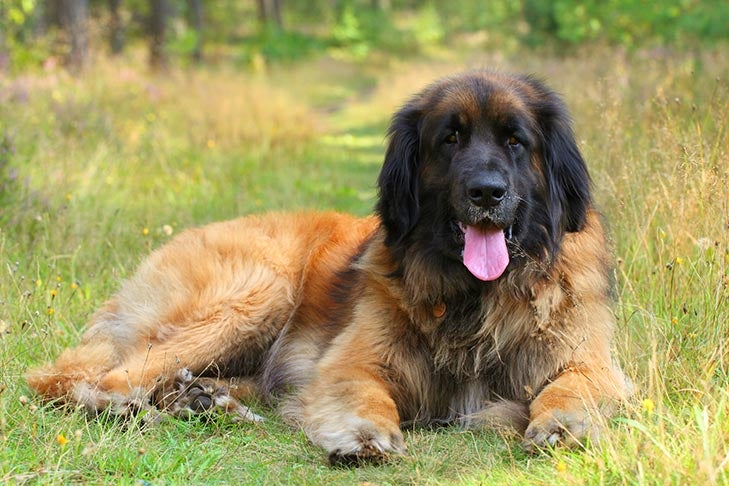
Dr. Sylvester says, “Different breeds are predisposed to different specific cancer types, and veterinarians, scientists, breed clubs, and breeders are working hard to understand those genetic predispositions and hopefully, over time, reduce their cancer risk. In general, common breeds such as Golden Retrievers, Boxers, Rottweilers, Labrador Retrievers, German Shepherd Dogs, and Beagles appear to be overrepresented in the United States. Additionally, less common breeds and giant breeds such as Bernese Mountain Dog, Flat-Coated Retriever, Irish Water Spaniel, Spinone Italiano, Welsh Terrier, Vizsla, Irish Wolfhound, Leonberger, and Saint Bernard also appear to have higher mortality from cancer, especially in European studies.”
While genetics can influence risk, any dog can develop cancer regardless of breed.
What Are the Most Common Types of Cancer in Dogs?
Dogs can develop many different forms of cancer, but some are diagnosed more frequently than others. According to Dr. Sylvester, common cancers include:
- Lymphoma, a cancer of the lymphatic system
- Mast cell tumors, which arise from mast cells involved in allergic responses
- Osteosarcoma, a malignant bone tumor
- Oral malignant melanoma, a tumor affecting pigment-producing cells in the mouth
- Hemangiosarcoma, a cancer originating from cells lining blood vessels
- Soft tissue sarcoma, which develops in connective, nervous, or muscle tissues throughout the body
Because these cancers affect different organs and tissue types, symptoms and treatment approaches can vary considerably.
What Are the Signs of Cancer in Dogs?
Cancer symptoms depend on the type and location of the disease. Some dogs may show no outward signs initially, making routine veterinary care especially important.
Dr. Sylvester recommends seeking veterinary guidance if your dog shows any of these symptoms:
- Lethargy, weakness, or reduced energy
- Changes in appetite, difficulty eating, or unexplained weight loss
- Difficulty urinating or defecating
- Signs of pain, including limping
- Persistent coughing or breathing difficulties
- Unusual odors, bleeding, or discharge from the nose, mouth, or other body openings
Lumps and bumps are another important warning sign. Not every lump is cancerous, but appearance alone cannot determine whether a mass is benign or malignant.
Dr. Sylvester says, “In terms of lumps and bumps, any new mass, particularly ones that change in size or appearance, appear to be growing, irritate the pet, or become red or ulcerated, should be evaluated since those tend to be more concerning features,” she says.

How Is Cancer Diagnosed in Dogs?
Accurate diagnosis begins with identifying the type of tumor involved.
Dr. Sylvester notes that veterinarians make many diagnoses through a fine-needle aspirate, which uses a thin needle to collect cells for cytology. Another option is a biopsy, which removes a tissue sample for histopathology.
“Looking at the cancer cells under the microscope can give us additional information about the tumor type and grade and often help us predict prognosis and how a particular cancer will behave,” she adds.
Determining how far cancer has spread is equally important. This process, known as staging, helps guide treatment decisions and establish expectations.
She explains, “Staging involves assessing the extent of cancer spread within the body, typically with chest x-rays, abdominal ultrasound, or CT scan. Without this information, it can be difficult to know what treatment will be recommended for an individual pet at that point in time.”
What Are Typical Treatments for Cancer in Dogs?
Treatment depends on the type of cancer, its stage, and your dog’s overall health.
In many cases, therapy focuses on removing or controlling the primary tumor while addressing any spread of disease. Common treatment options include surgery, radiation therapy, chemotherapy, or immunotherapy, or a combination of these approaches.
Treatment costs can vary widely depending on the cancer type, treatment plan, duration of care, and geographic location. Some pet insurance policies may cover part or all of the expense.
Veterinary oncology continues to advance, with newer therapies such as cancer vaccines and targeted drug treatments offering additional possibilities. There are currently several FDA-approved cancer drugs available for dogs, including treatments for mast cell tumors and lymphoma.
Quality of life remains a central focus of cancer care. Dr. Sylvester stresses that the goal of veterinary oncologists is to help families understand their options while supporting their dog’s comfort and well-being. “Even if definitive cancer treatments, such as surgery, radiation therapy, or chemotherapy, are not pursued, there are palliative treatment options available to help dogs with cancer feel better and maintain good quality of life for as long as possible,” she adds.

Can You Prevent Cancer in Dogs?
Many owners want to know whether cancer is preventable. Unfortunately, there is no guaranteed way to stop most cancers from developing.
Cancer results from a complex interaction of genetic, environmental, and immune-related factors. Dr. Sylvester explains, “Evidence for a genetic cause of cancer can be seen in the breed predispositions to certain cancer types, but the majority of genetic changes that eventually lead to cancer occur through spontaneous mutations,” Dr. Sylvester explains. “There are also many environmental factors such as carcinogens, pesticides, UV light, pollution, hormones, and nutrition that may play a role in cancer risk.”
Because so many factors play a role, veterinarians currently cannot predict which dogs will develop cancer or when it may occur.
Even so, owners can support their dog’s overall health through preventive care and healthy lifestyle choices. Regular veterinary examinations, routine exercise, balanced nutrition, and prompt attention to unusual symptoms can help identify health concerns earlier.
Dr. Sylvester offers this advice: “The best thing you can do is ensure your pet is otherwise healthy by seeing their veterinarian regularly, getting them exercise, feeding them a well-balanced diet, and ensuring they are well-loved, so that if they do develop cancer, they are in the best possible position to fight it.”
This article is intended solely as general guidance, and does not constitute health or other professional advice. Individual situations and applicable laws vary by jurisdiction, and you are encouraged to obtain appropriate advice from qualified professionals in the applicable jurisdictions. We make no representations or warranties concerning any course of action taken by any person following or otherwise using the information offered or provided in this article, including any such information associated with and provided in connection with third-party products, and we will not be liable for any direct, indirect, consequential, special, exemplary or other damages that may result, including but not limited to economic loss, injury, illness or death.