Running can be great cardiovascular exercise for humans. But it’s also an excellent way for dogs to have some fun while spending quality time with their owner. Running can help maintain weight, improve muscle tone, and build endurance. It can also be beneficial for mental health while offering an outlet for your dog’s energy.
In This Article
Certain dog breeds can tolerate different weather, surface conditions, and distances better than others. It’s important to take your individual dog’s capabilities into consideration. Always be sure to talk with your veterinarian and have a physical checkup to ensure that running is a safe activity for your dog.
How Age and Development Affect Running Readiness
Your dog’s age is a critical consideration when thinking about running as an activity to share. You should never take puppies on a run, as their bones and joints are still developing. Because their bodies aren’t fully developed, taking puppies out for a run could cause real orthopedic damage.
Medium-to-large breed dogs shouldn’t be allowed to run on hard surfaces like concrete or black top until they’re at least 18 months old. Some dogs mature slower than others, so check with your veterinarian to know when your individual dog is ready to start running.
Adjusting Exercise for Senior Dogs
For senior dogs, it’s key to assess their individual fitness level, and consult your veterinarian for advice. As dogs age, they may need you to make sure that distances, surfaces, environments, and temperatures are appropriate. Even if they still enjoy running, you may need to make modifications in distance or duration to support their older bodies. “Dogs age quickly, and just because your dog ran fine last year doesn’t mean he is up for the task this year,” says Russell Hartstein, a certified behaviorist and dog trainer in Los Angeles.
Listen to your older dog if they’re showing signs that they’d rather go for a brisk walk, not a hike. At the same time, your senior dog may really, really want to go on a trail run with you. But it’s still up to you as a responsible dog owner to help them balance having fun and preventing unintentional harm.
Dog Breeds That Make Great Running Partners
Based on qualities such as endurance, obedience, and strength, we’ve picked a list of dog breeds that can make good running partners. But remember, you must consider your individual dog and decide if they’re a good fit for running. If you’re looking for a future running companion, use this list as a starting point for your research:
Weimaraner

Highly energetic, this medium, well-muscled breed is great for long, steady runs. Weimaraners are active and intelligent, with a strong desire to work and play for long stretches of time — preferably with their owner.
Dalmatian

Strong, active, and athletic, this breed has great stamina. Dalmatians love exercise and could keep up with a fast runner. (They ran beside horse-drawn carriages in their original purpose as a coach dog, so their stamina and endurance are legendary.) These dogs tend to pound the pavement, so it’s best to stick to soft trails for long distances.
Vizsla

With its sleek, red coat, Vizslas have no trouble running in warmer climates. Eager and graceful, this breed’s impressive stamina makes them ideal jogging companions. Chock-full of energy, these robust, medium-sized hunting dogs enjoy vigorous daily exercise.
German Shorthaired Pointer

This energetic breed possesses speed, but also has the build needed to go on a high-mileage run. German Shorthaired Pointers thrive with plenty of healthy exercise, and love spending time outdoors with their human companions.
Rhodesian Ridgeback
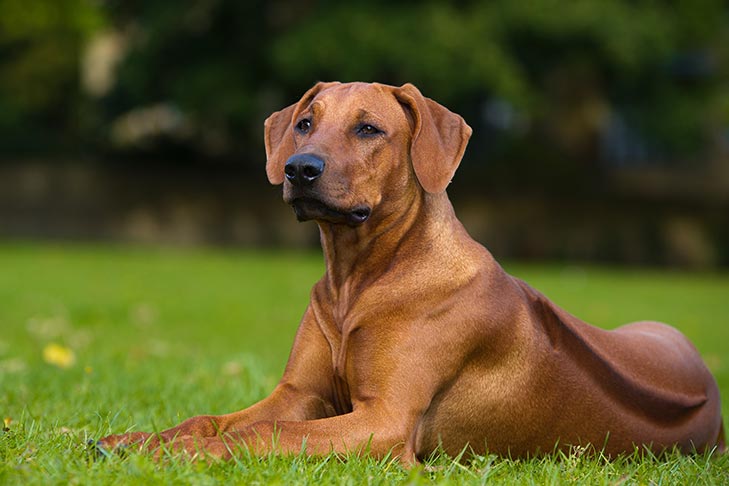
Fast and powerful athletes, Rhodesian Ridgebacks love to run. This breed’s natural gait and internal engine make them the perfect companion for longer distances.
English Springer Spaniel

Bred to work closely with humans and eager to join in on family activities, English Springer Spaniels crave exercise and mental stimulation on a regular basis.
Doberman Pinscher

Muscular, fast, and powerful, these dogs love vigorous, daily exercise along with stimulating mental challenges. Bred to be working dogs, Doberman Pinschers have the energy needed to keep up with runners.
American Foxhound

These energetic dogs not only enjoy exercise, but the American Foxhound’s short, easy-care coats make them adaptable to both warm- and cold-weather outdoor activities.
Saluki

Don’t let their elegant appearance fool you. The Saluki is one of the fastest dog breeds in the world. These dogs are highly adaptable and can live in any climate. Daily exercise is essential to keep them physically and mentally fit.
Belgian Malinois

This loyal, hard-working breed is strong, well-muscled, and can run long distances in different weather conditions and on various types of terrain. Belgian Malinois are happiest when they’re with their owners, but aren’t a dog breed that’s well-suited for a first-time dog owner. They need plenty of physical exercise and mental stimulation to be happy and healthy.
Before you bring your dog out for a run, always consider their health. Be sure to bring plenty of water to keep them hydrated, no matter how short the distance.
Key Takeaways
- Running provides important physical and mental benefits for dogs
- Puppies and developing dogs should not run long distances
- Senior dogs may need shorter, adjusted workouts
- Endurance breeds have traits that make them strong running partners
- Safe running habits and veterinary guidance are essential
Frequently Asked Questions
-
What breed of dog is best for long-distance running?
+
Breeds like Weimaraners, Vizslas, German Shorthaired Pointers, and Rhodesian Ridgebacks are known for strong endurance and energy, making them excellent long-distance running partners.
-
At what age can I start running with my dog?
+
Most dogs can begin running once they are fully developed, typically around 12 to 18 months depending on their size and breed. Always check with your veterinarian first.
-
How far can a dog run safely?
+
This depends on the breed, fitness level, and environmental conditions. Some dogs can handle several miles, while others may do better with shorter distances.
-
Is running on pavement safe for dogs?
+
Hard surfaces can be tough on joints, especially for younger dogs. Softer trails are often a safer option for longer runs.
This article is intended solely as general guidance, and does not constitute health or other professional advice. Individual situations and applicable laws vary by jurisdiction, and you are encouraged to obtain appropriate advice from qualified professionals in the applicable jurisdictions. We make no representations or warranties concerning any course of action taken by any person following or otherwise using the information offered or provided in this article, including any such information associated with and provided in connection with third-party products, and we will not be liable for any direct, indirect, consequential, special, exemplary or other damages that may result, including but not limited to economic loss, injury, illness or death.