AKC is a participant in affiliate advertising programs designed to provide a means for sites to earn advertising fees by advertising and linking to akc.org. If you purchase a product through this article, we may receive a portion of the sale.
From long and curly coats to short and hairless varieties, dogs come in a wide range of coat types. Double-coated dogs have two layers of fur that work together to protect the skin, regulate temperature, and shield the dog from the elements. Understanding how these coats work can help you groom your dog properly and avoid mistakes that damage the coat.
In This Article
- How Double Coats Work
- Recognizing Coat Types
- Arctic Breed Coats
- Should You Shave Your Dog?
- Managing Tangles
- Summer Grooming
- FAQs About Double-Coated Dogs
What Makes a Dog Double-Coated?
Double-coated dog breeds have coats made up of two distinct layers. The outermost layer is a harsh topcoat made of long, coarse hairs. Dog groomers also call this layer the guard coat or primary hairs. Beneath it sits a soft, dense undercoat made of shorter secondary hairs, sometimes called wool.
Each layer serves an important purpose. The topcoat helps repel dirt and water while protecting the skin from the environment. The undercoat provides insulation during colder months by trapping warmth close to the body. In warmer weather, it helps regulate temperature by trapping cooler air near the skin.
The two layers differ in both in structure and growth patterns. Topcoat hairs are strong and durable, and dogs typically shed them less frequently. The softer undercoat sheds more often, especially during seasonal coat changes. The topcoat also contributes much of a dog’s visible color, while the undercoat can vary in density, length, and growth rate.
A dog may have more undercoat than topcoat or more topcoat than undercoat. Some breeds have a denser undercoat than topcoat, giving them a plush or fluffy appearance. While many people are drawn to the look of these coats, thicker undercoats also require more maintenance during shedding seasons.
Understanding the Different Types of Double Coats
According to certified master groomer Jennifer Bishop-Jenkins, double coats generally fall into four categories: short, medium, long, and triple (or arctic). Coat type often reflects the work a breed was originally bred to do, which shapes how much grooming it needs.
“Recognizing your dog’s coat type is so important when grooming your dog,” says Bishop-Jenkins. “There are different ways to groom a dog, depending on its coat type. The last thing you want to do is remove hair that will never grow back or neglect a coat that mats and won’t give your dog any protection from harsh weather.”
Short Double Coats
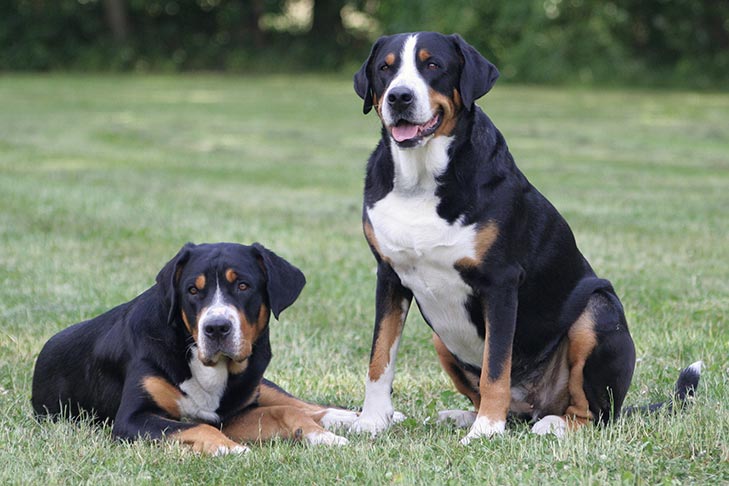
Breeds with short double coats include the Labrador Retriever, Greater Swiss Mountain Dog, Cardigan Welsh Corgi, and Pembroke Welsh Corgi.
These dogs have dense outer coats that help protect them from weather, dense brush, and other environmental challenges they may encounter while hunting or herding. Their coats typically don’t require trimming, but weekly brushing helps remove loose undercoat hairs and manage shedding.
Medium Double Coats
Medium double coats are common among herding breeds such as the Border Collie and Australian Shepherd.
These coats benefit from weekly brushing to prevent matting and remove loose fur. Depending on the breed standard, some owners may choose to trim excess hair around the feet, hocks (the joint partway up the hind leg, similar to an ankle), and pasterns (the lower part of the leg just above the paw).

Long Double Coats
Working breeds like the Newfoundland, Bernese Mountain Dog, Great Pyrenees, and Saint Bernard have long double coats consisting of a flat, water-resistant topcoat and a thick undercoat.
These breeds may require trimming in areas such as the chest, ears, undercarriage, backs of the legs, and tail, as specified by their breed standards.
“Comb the top of the head to keep it from matting,” advises Bishop-Jenkins, “but never shave it because the hair won’t grow back.”
What Is a Triple or Arctic Coat?
Triple-coated, or arctic-coated, breeds have some of the thickest coats of any dogs. Examples include the Pomeranian, Samoyed, American Eskimo Dog, and Alaskan Malamute.
According to Bishop-Jenkins, these breeds historically relied on an especially dense undercoat to survive in extremely cold climates. Their coats are thick, oily, woolly, and heavily insulated.
Because these coats are so dense, standard combing alone may be ineffective and can damage the hair. After bathing and brushing, groomers often use a high-velocity dog dryer and line-combing techniques to remove loose undercoat. Line combing involves working through the coat section by section, lifting away loose hair while minimizing stress on the coat.
Although this process can be time-consuming, it’s one of the gentlest and most effective ways to maintain a thick arctic coat. Bishop-Jenkins also notes that you shouldn’t dry these coats all the way to the skin.

Should You Shave a Double-Coated Dog?
You might assume that shaving your dog in warm weather will help keep them cool and reduce shedding. However, grooming experts generally advise against shaving double-coated breeds.
Shaving a double coat removes both the undercoat and topcoat. Because the two layers grow back at different rates, the undercoat may outpace the topcoat as it regrows, creating an uneven coat that no longer functions properly.
“Shaving doesn’t do anything to cool dogs off because a dog’s cooling system is different than ours,” says Teri Becker DiMarino, President of the California Professional Pet Groomers Association.
Dogs primarily regulate body temperature through panting and limited sweating through their paw pads.
Becker DiMarino says there are generally only two reasons to shave a dog: because it needs surgery or, as a last resort, because a groomer can’t safely brush out severe matting.
Shaving can also create other problems. Without its natural insulating layer, a dog may become more vulnerable to overheating and to skin issues, including:
- Sunburn and other skin damage
- Parasites such as fleas and ticks
- Dry skin and ingrown hairs
Managing a Tangled Double Coat
If a double coat becomes heavily tangled or grows too long between groomings, Bishop-Jenkins recommends a gradual approach rather than reaching straight for the clippers.
First, thoroughly wet the dog and saturate the coat with a rich dog conditioner. Massage the conditioner throughout the coat and allow it to soak for about an hour.
Before shampooing, Bishop-Jenkins recommends directing a high-velocity dryer toward the skin.
“The air on the dryer will penetrate the undercoat and push the matted coat,” she explains. “Follow with shampoo and conditioner.”
This process can help loosen compacted undercoat and mats before further grooming.
Summer Grooming Tips for Double-Coated Dogs
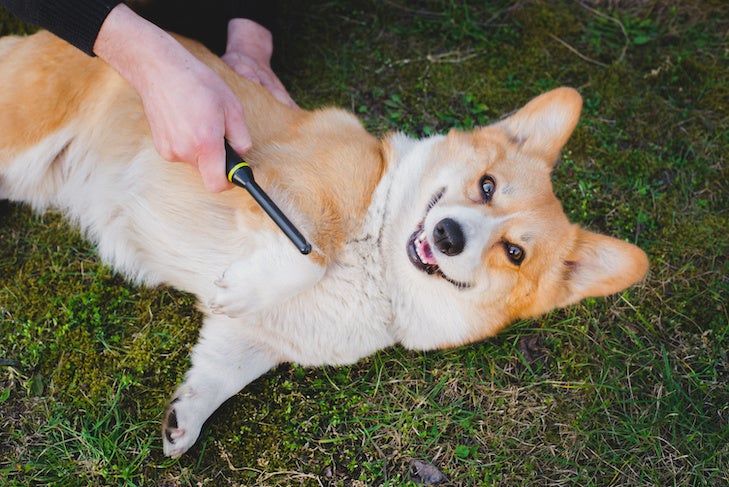
Regular grooming is one of the best ways to help a double-coated dog stay comfortable during warm weather. Routine bathing, brushing, and combing remove loose undercoat, improve airflow through the coat, and help maintain its protective functions.
Helpful grooming practices include:
- Use a grooming rake or a quality steel comb to remove loose undercoat hairs.
- Use a slicker brush in areas with heavier coat density.
- Comb your dog two to three times weekly to prevent mats.
- Use a wide-tooth steel comb to work through tangles gently.
- Avoid combs with bent teeth, which can snag or damage the coat.
- Chose grooming tools that fit comfortably in your hand and allow safe, efficient grooming.
In addition to proper grooming, dogs may benefit from other cooling strategies during hot weather, including:
- Wearing a cooling vest or cooling bandana
- Having access to cooling mats, along with plenty of shade and fresh water
- Limiting activity during the hottest parts of the day
Key Takeaways
- Double-coated dogs have a protective topcoat and an insulating undercoat that work together to regulate temperature and protect the skin.
- Double coats generally fall into four categories: short, medium, long, and triple (arctic).
- Grooming needs vary by coat type, but regular brushing helps remove loose undercoat and reduce matting.
- Most grooming professionals advise against shaving double-coated dogs because it can interfere with the coat’s natural function.
- Consistent grooming and proper coat maintenance help double-coated dogs stay comfortable year-round.
Frequently Asked Questions
-
How do I know if my dog has a double coat?
+
Double-coated dogs have two visible layers of fur: a longer, protective outer coat and a softer undercoat beneath it. Many herding, working, and northern breeds have double coats.
-
Do double-coated dogs shed more than other dogs?
+
Many do. The undercoat often sheds heavily during seasonal changes, a process commonly called “blowing coat.” The amount of shedding varies by breed and coat type.
-
Why shouldn't you shave a double-coated dog?
+
Shaving can disrupt the relationship between the topcoat and undercoat, potentially affecting temperature regulation, coat regrowth, and skin protection. Grooming experts generally recommend other methods for managing heat and shedding.
-
What breeds have triple or arctic coats?
+
Examples include the Pomeranian, Samoyed, American Eskimo Dog, and Alaskan Malamute. These breeds have exceptionally dense insulating coats designed for cold climates.
-
How often should a double-coated dog be brushed?
+
The answer depends on the coat type and season. Many double-coated dogs benefit from at least weekly brushing, while heavier-coated breeds may require more frequent grooming during shedding periods.
This article is intended solely as general guidance, and does not constitute health or other professional advice. Individual situations and applicable laws vary by jurisdiction, and you are encouraged to obtain appropriate advice from qualified professionals in the applicable jurisdictions. We make no representations or warranties concerning any course of action taken by any person following or otherwise using the information offered or provided in this article, including any such information associated with and provided in connection with third-party products, and we will not be liable for any direct, indirect, consequential, special, exemplary or other damages that may result, including but not limited to economic loss, injury, illness or death.