AKC is a participant in affiliate advertising programs designed to provide a means for sites to earn advertising fees by advertising and linking to akc.org. If you purchase a product through this article, we may receive a portion of the sale.
Good grooming will help your dog look and feel their best while supporting their overall health. Regular grooming sessions also allow you to check your dog’s coat, teeth, eyes, ears, and nails for signs of potential problems. While every dog’s grooming needs are different, establishing an at-home routine helps keep your dog comfortable, healthy, and clean between professional grooming appointments.
In This Article
Understanding Your Dog’s Grooming Needs
How often you groom your dog depends on their size, breed, coat type, and lifestyle. While good hygiene habits are important, most dogs don’t require daily grooming.
Some breeds, including the Afghan Hound, Poodle, and Komondor, require frequent coat maintenance. Others, such as the Beagle, Weimaraner, and Boxer, generally require less extensive grooming.
Professional groomers, dog handlers, and some veterinary technicians are trained to provide breed-specific grooming services. Learning basic maintenance grooming at home, however, can help you keep your dog’s coat in good shape day to day.
One of the best sources of grooming information is your dog’s breeder. A responsible breeder often has valuable knowledge about coat care, recommended tools, and grooming techniques specific to the breed.
Keeping Your Dog’s Coat Healthy
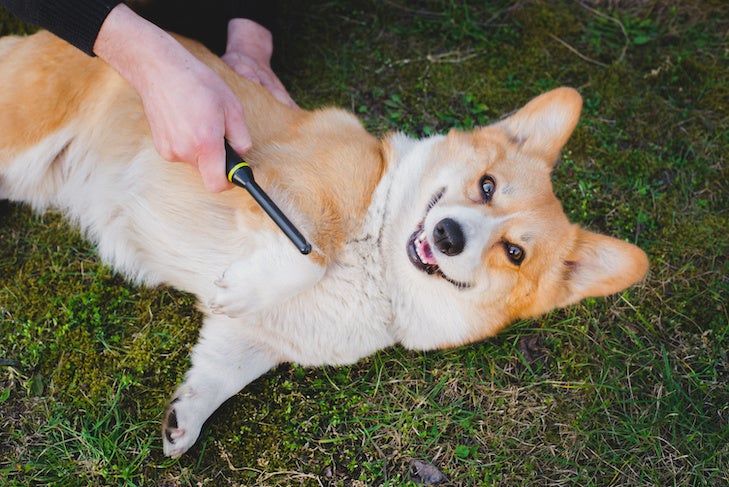
Regular brushing removes dirt, debris, loose hair, and dandruff while helping distribute natural oils throughout the coat. Most dogs only need a few brushing sessions a week, though long-coated breeds often do best with daily brushing.
Before purchasing grooming supplies, talk with your veterinarian or groomer about the best tools for your dog’s coat type.
Common grooming tools include:
- Pin brushes for many longhaired dogs
- Bristle brushes for short-, medium-, and some long-coated breeds
- Slicker brushes for removing mats and dead hair
- Rubber curry combs for polishing smooth coats and removing loose hair
- Clippers, stripping knives, rakes, and dog-specific hairdryers for certain coat types
When brushing, work all the way down to the skin using gentle strokes. Check regularly for burrs, plant material, mats, cuts, scrapes, or other abnormalities. Mats commonly develop behind the ears and under the legs.
All dogs shed to some degree. Consistent brushing helps control shedding and keeps your dog’s coat looking its best.
Bathing Your Dog Safely
You should bathe your dog regularly, but not too often. Bathing too frequently can strip natural oils from the skin and coat, leaving them dry and brittle.
To bathe your dog safely:
- Wet your dog thoroughly with warm water.
- Apply a mild shampoo formulated specifically for dogs, working from the neck backward.
- Massage the shampoo through the coat, then rinse completely to avoid residual shampoo irritating the skin.
After bathing, dry your dog with a towel and, when appropriate, use a dryer according to your dog’s coat type and comfort level.
Avoid bathing your dog outdoors during cool or cold weather, as doing so may cause a dangerous drop in body temperature.

Trimming Nails and Caring for Paws
Healthy feet require properly trimmed nails. Long nails can affect your dog’s gait, cause discomfort, and increase the risk of broken nails.
If you can hear your dog’s nails clicking on the floor, they’re likely too long. Use a dog nail clipper and trim only the portion that extends beyond the quick, which is the blood vessel inside the nail. You can see where the quick ends on a white nail but not on a dark nail. Clip only the hook-like part of the nail that turns down.
Many dogs dislike nail trims, so early and gradual training can help. Begin by handling your puppy’s feet regularly and trimming one or two nails at a time. This helps your puppy see that nail trims are no big deal.
If you accidentally cut the quick, use styptic powder to help stop the bleeding. If nail trims are stressful for you or your dog, ask a groomer or veterinarian for help.
Paw care is equally important. Regularly inspect paw pads for dryness, cracks, injuries, or debris. Hair growing between the toes can mat easily and may need a careful trim from a professional.
Cleaning Your Dog’s Ears
Most dogs benefit from ear cleaning about once a month, although some may require more frequent care.
Clean only the visible outer portion of the ear using a damp cloth or a cotton ball lightly moistened with mineral oil. Never insert objects deep into the ear canal.
When cleaning, examine both ears carefully. Severe redness, swelling, debris, discharge, or a strong yeasty odor may signal an ear infection. If you notice signs of infection in your dog’s ears, it’s a good idea to have your veterinarian take a look.
Moisture trapped in the ears after swimming or bathing can contribute to ear problems. Be sure to dry your dog’s ears thoroughly after they become wet.

Caring for Your Dog’s Eyes
Routine eye checks can help identify irritation before it becomes severe. Watch for redness, excessive discharge, squinting, or other signs of discomfort.
Use a soft washcloth or cotton ball dampened with warm water to gently remove debris from the corners of the eyes. Avoid rubbing directly across the eye, and use only products designed for dogs.
Maintaining Your Dog’s Dental Health
Dental care is an important part of your dog’s overall health. Brushing your dog’s teeth every day is ideal, though a few times a week still helps. Plaque begins to accumulate within 48 hours.
Use a dog-specific toothbrush and toothpaste. If your dog is reluctant, start slowly by gently rubbing the teeth and gums with your finger before introducing toothpaste and a toothbrush.
Dental treats or chew toys may help support oral hygiene, but they shouldn’t replace regular brushing.
As dogs age, tartar buildup may require professional veterinary cleaning. Poor dental health can contribute to more serious problems that affect other parts of the body, making preventive dental care especially important.

Professional Grooming and Safety Tips
Home grooming and professional grooming work best together. Grooming your dog at home gives you frequent, hands-on opportunities to catch developing health concerns early.
When grooming your dog, keep these safety tips in mind:
- Wipe away dirt, mud, sand, pine needles, and outdoor debris as needed with a damp towel.
- Use only products formulated specifically for dogs.
- Monitor the skin for cuts, sores, lacerations, or wounds during grooming sessions.
- Contact your veterinarian if you discover injuries or unusual skin conditions.
- Do not attempt to express your dog’s anal sacs unless a veterinarian has trained you how to do it.
A consistent grooming routine, even if it’s simple, is one of the easiest ways to keep your dog comfortable, happy, and looking their best.
Key Takeaways
- Grooming needs vary by breed, coat type, and individual lifestyle.
- Regular brushing helps control shedding, prevent mats, and monitor skin health.
- Nail trimming, ear cleaning, eye care, and dental hygiene are important parts of routine grooming.
- Dog-specific grooming products help protect skin and coat health.
- Combining home grooming with professional grooming when needed can support long-term health and comfort.
Frequently Asked Questions
-
How often should you groom your dog?
+
Grooming frequency depends on your dog’s breed and coat type. Some dogs need brushing several times per week, while others require daily grooming or regular professional grooming appointments.
-
How often should you bathe a dog?
+
Most dogs need occasional baths rather than frequent washing. Bathing schedules vary depending on coat type, activity level, and skin health. Overbathing may dry out the skin and coat.
-
How can you tell if your dog's nails are too long?
+
If you hear your dog’s nails clicking on hard floors or notice changes in their gait, the nails may be too long and need trimming.
-
Why is brushing your dog's teeth important?
+
Regular tooth brushing helps reduce plaque buildup, supports oral health, and may lower the risk of dental disease and related health problems involving other parts of the body.
This article is intended solely as general guidance, and does not constitute health or other professional advice. Individual situations and applicable laws vary by jurisdiction, and you are encouraged to obtain appropriate advice from qualified professionals in the applicable jurisdictions. We make no representations or warranties concerning any course of action taken by any person following or otherwise using the information offered or provided in this article, including any such information associated with and provided in connection with third-party products, and we will not be liable for any direct, indirect, consequential, special, exemplary or other damages that may result, including but not limited to economic loss, injury, illness or death.