AKC is a participant in affiliate advertising programs designed to provide a means for sites to earn advertising fees by advertising and linking to akc.org. If you purchase a product through this article, we may receive a portion of the sale.
If you have a hectic work schedule or other obligations, it can be difficult to make sure your dog is getting enough exercise. One option is to hire a dog walker who can walk your dog as part of a pack or solo. If your dog enjoys hiking, you might consider signing them up for a hiking group, where handlers take several dogs out on a hike together.
In This Article
What Dog Hiking Groups Typically Offer
Dog hiking groups take the concept of doggy daycare on the go, offering dogs mental and physical enrichment through long outdoor walks. The idea is to take a group of dogs out together so they can run and play outside. Companies offering this service may pick your dog up from home or work, and drive them to a hiking trail, beach, or dog-friendly park.


Dog hiking groups provide an opportunity for dogs to socialize with each other, all while getting exercise and fresh air. But since this also means that your dog is going to be interacting with unfamiliar dogs and people without you being present, you’ll want to make sure that hiking groups are good for your dog. It’s not the right fit for every dog, and you should find hiking groups organized in a way that ensures dogs have safe and positive experiences.
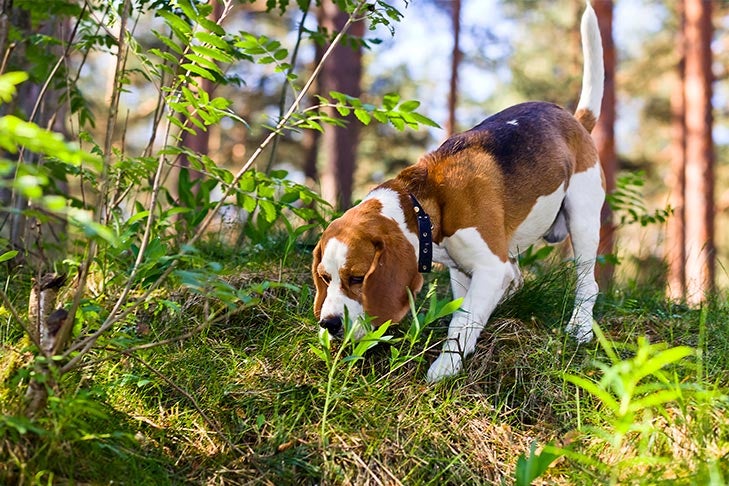
How to Tell if Your Dog Is a Good Fit
Before signing your dog up for a hiking group, there are important questions to ask yourself. Has your dog been on successful public outings without you? Would they feel comfortable riding in a car with a group of dogs they may not be familiar with?
Since you know your dog best, weigh these traits when deciding if they’re a good candidate for hiking. Dogs well-suited for hiking groups should be:
- High endurance and energy level. It’s important to consider factors like your dog’s age, breed, and fitness level.
- Up-to-date on preventative care and vaccinations for conditions like rabies (given the increased potential for encounters with wildlife)
- Well-socialized in group settings with other dogs
- Comfortable wearing a collar and harness and able to walk on a loose leash
- Happy spending time outside, even in rain or snow
- Have basic obedience skills
When Dog Hiking Groups May Not Be Appropriate
Along with obedience training, your dog needs to know how to behave on the trails. That means not disturbing other dogs, hikers, wildlife, and plant life. A hiking group may not be the right choice for:
- Dogs that show reactivity or aggression toward humans or other animals. A solo session with a dog walker is likely a better fit when working through any behavioral issues.
- Senior or small-breed dogs who should avoid rocky terrain or steep slopes. Talk with the hiking group to confirm if planned routes are appropriate for your dog’s needs.
- Puppies, as they’re still growing and their immune systems are still developing. The risk of falls or injury is also higher.
How to Choose a Safe and Reputable Hiking Group
The goal is to find a dog hiking group that will offer your dog a safe and stress-free experience. Stay alert to these potential red flags:
- No profiles, ratings, testimonials, or reviews. You should be able to identify the handlers and confirm they’re appropriately licensed and insured.
- Group sizes too large for a handler to safely control and keep up with on the trail
- No updates when a walk starts or ends, and no photo, video, or GPS updates on requests
Walks should still be tailored to your dog, with respect to length, location, and group size. This personalization is part of what separates a reputable operator from the rest.

Where to Find Dog Hiking Groups Near You
Word-of-mouth recommendations are a good place to start in finding dog hiking groups near you. The next time you go to the dog park, ask around and see if other owners have suggestions for hiking groups and what services they’ve tried themselves.
You can also search online and reach out to companies in your area. Reputable operators will be happy to share information that’s not already available on their website and can provide a free phone consultation to answer any questions you may have. Here are some questions you’ll want to ask when you contact them.
Questions to Ask Before You Book
Before choosing a hiking group, take time to ask detailed questions to ensure your dog will be safe and comfortable.
Who Will Be Handling Your Dog?
The handlers are the ones who will be with your dogs for the duration of the hike and make sure they’re safe and accounted for at all times. To assess their qualifications, you can ask questions such as:
- Do they hold any professional pet first-aid, pet CPR, or training certifications?
- Are they insured?
- Does the company run background checks on employees?
- Do walkers carry a pet first-aid kit and fresh drinking water on every hike?
Are There Any Vaccination or Health Requirements?
Does the company require dogs to be fully vaccinated? Consult your veterinarian about your dog’s vaccination status for rabies, kennel cough, distemper, and parvo.
Your dog should also be on a flea or tick preventative, since ticks are more common in tall grasses or forested areas.
What Equipment Do You Need to Provide?
You’ll want to ask what pet hiking supplies you are responsible for providing, such as a collar, harness, leash, and poop bags. Also confirm whether your dog will be in or near the water. If so, your dog may need a canine life jacket.
Depending on how long the outings are, you may also want to ask whether the service includes feeding your dog, or whether you’ll need to provide food.

How Large Are the Groups?
Walkers can only handle so many dogs at once, so it’s worth asking:
- What’s the maximum number of dogs in a group?
- How are new dogs introduced to the group, and how many at a time?
- What factors determine which dogs are grouped together?
- If pace adjusted so every dog can comfortably keep up?
What Does Transportation Look Like?
It’s also important to ask how many dogs will be in the car at a time, whether the car is equipped with safety harnesses or crates, and if there will be air conditioning during warmer months.
What Happens During the Outing?
Feel free to ask the group for specific details about the excursion:
- How long does the hike last, and where do they go?
- How long is the trail?
- How will your dog be picked up and dropped off?
If they drop your dog off at home but you’re not there, they should let you know so you can arrange access to your home or apartment building.
What Is the Emergency Plan?
Make sure walkers have plans for what to do if your dog shows signs of illness while out on the trails. For emergency situations, give them clear directions on how to proceed. In such cases, you can request that they contact you and arrange for your dog to see their regular vet.
Knowing they have a plan can give you peace of mind, if your dog gets lost, injured, suffers from heat exhaustion, or has an encounter with toxic plants or wildlife.
How Is Behavior Managed?
If there is an issue or aggression between dogs, you’ll want to ask how walkers would handle that. It’s also possible on hikes that dogs may bark, lunge, chase wildlife, or run off, so ask if they use positive reinforcement techniques, such as praising or treats to stop the behavior.
Are Dogs On or Off Leash?
You’ll want to ask whether dogs are kept on- or off-leash while hiking in compliance with trail rules and leash laws in local or state parks. Hiking groups should primarily be on-leash, only going off-leash when granted your permission. This should only be an option if your dog has reliable recall and after they’ve developed a relationship with the walker.
Signs Your Dog Is Enjoying the Hiking Experience
A good indication that your dog is enjoying the group is seeing them arrive home, tired and relaxed. They’ll be excited to see you but will settle down faster, having worked their muscles and enjoyed their own adventure. Make sure when you’re researching dog hiking groups that you consider your dog’s temperament and social skills, as it won’t be the right fit for every dog.
Key Takeaways
- Dog hiking groups can provide exercise, enrichment, and socialization, but they aren’t right for every dog
- Dogs that are healthy, social, and well-trained are more likely to thrive in group hikes
- Certain dogs, including reactive dogs, puppies, and some seniors, may need alternative options
- Asking detailed questions helps ensure the experience is safe and positive
Frequently Asked Questions
-
What are dog hiking groups?
+
Dog hiking groups are services where handlers take multiple dogs on organized outdoor hikes, providing exercise, socialization, and mental stimulation.
-
How do I know if my dog is ready for a hiking group?
+
Your dog should be healthy, comfortable around other dogs, able to follow basic commands, and physically capable of handling longer outdoor activity.
-
Are dog hiking groups safe?
+
They can be safe when run by experienced, insured handlers who limit group size, follow health requirements, and have emergency protocols in place.
-
Do dogs go off-leash during hikes?
+
Some groups allow off-leash time, but it typically depends on local rules and your dog’s training. Reliable recall is usually required.
-
What if my dog doesn’t do well in a group?
+
If your dog shows stress, fear, or aggression, a solo dog walker or smaller, controlled setting may be a better option.