AKC is a participant in affiliate advertising programs designed to provide a means for sites to earn advertising fees by advertising and linking to akc.org. If you purchase a product through this article, we may receive a portion of the sale.
When you think of the word “bacteria” you might think of something you want to get rid of as soon as possible. But dogs, just like people, normally have microbes living on and in their bodies, and they can be beneficial rather than bothersome, especially for intestinal health.
In This Article
Staph infections in dogs are common bacterial conditions that typically affect the skin but can also occur in other parts of the body. They often develop when the skin barrier or immune system is compromised. Symptoms include itching, lesions, and inflammation. Early veterinary care, proper hygiene, and treating underlying conditions are key to managing infections and preventing recurrence or spread.
What Are Staph Infections in Dogs?
Staphylococcus refers to a group of bacteria that commonly live on healthy dogs without causing harm. However, under certain conditions, these bacteria can trigger infections.
Dr. Brian Collins, DVM, a senior lecturer at the Cornell University College of Veterinary Medicine, explains that “many species of bacteria make up the group, or genus, known as Staphylococcus.” They typically live harmlessly in a dog’s mucous membranes around a dog’s mouth, nose, eyes, and genitals.
“One species in particular, Staphylococcus pseudintermedius, is found as a normal inhabitant on the skin of healthy dogs,” Dr. Collins says. “This and other species can create true infections in certain situations when the bacteria no longer live in harmony on the skin.” These infections are often called staph pyoderma.
How Do Dogs Get Staph Infections?
Staph infections usually occur when the skin barrier or immune system is weakened, allowing bacteria to multiply and spread. Everyday behaviors like scratching, licking, and chewing are common culprits of skin irritation.
“Dogs with allergies or who have diseases that weaken the immune system, such as hypothyroidism or Cushing’s syndrome, for example, can develop infections in their skin and ears or their respiratory, reproductive, or urinary tracts, in addition to other areas. Infections can also occur following surgical procedures,” Dr. Collins says.
While any dog can contract a staph infection, puppies and senior dogs tend to have weaker immune systems and are generally more vulnerable than healthy adult dogs.

Signs of Staph Infections in Dogs
Symptoms vary depending on where the infection is located and how severe it is. Some of the most common signs include:
- Inflamed skin that may be painful, red, or hot to the touch
- Itchiness, often leading to excessive chewing and licking
- Skin lesions such as pustules, papules, peeling, or crusting
- Hair loss
- Fever
- Loss of appetite
- Lethargy
- Coughing or labored breathing
- Straining or frequent urination
The sooner you bring your dog to the veterinarian and your pet is assessed, the better. Depending on your dog’s symptoms, your vet may perform tests such as skin swabs or urine samples to confirm the diagnosis and choose the most effective treatment. Severe infections can lead to sepsis and may be life-threatening if left untreated.
How Are Staph Infections in Dogs Treated?
Treatment depends on the severity and location of the infection. Mild skin infections may be managed with medicated shampoos, sprays, or ointments.
More serious or widespread infections may require oral or injectable antibiotics, and in some cases, hospitalization. It’s critical to complete the full course of prescribed medication, even if your dog appears to improve early. Stopping treatment too soon can lead to recurrence or antibiotic resistance.
Getting the underlying cause of the inflammation under control and repairing the skin barrier is key to reining in a staph pyoderma. Without resolving these issues, infections are more likely to return.
Ongoing Treatment for Staph Allergies
Some dogs develop a hypersensitivity to staphylococcal bacteria, meaning infections can recur even after treatment. In these cases, long-term management may be necessary.
Typically, desensitization works by the veterinarian administering routine small-dose injections of staphylococcal bacterin (killed bacteria) over an extended period, which may stretch to several years. Treatment often begins with daily injections, gradually spacing out to every few weeks. Your veterinarian will guide you through this process and may recommend continuing treatment at home.
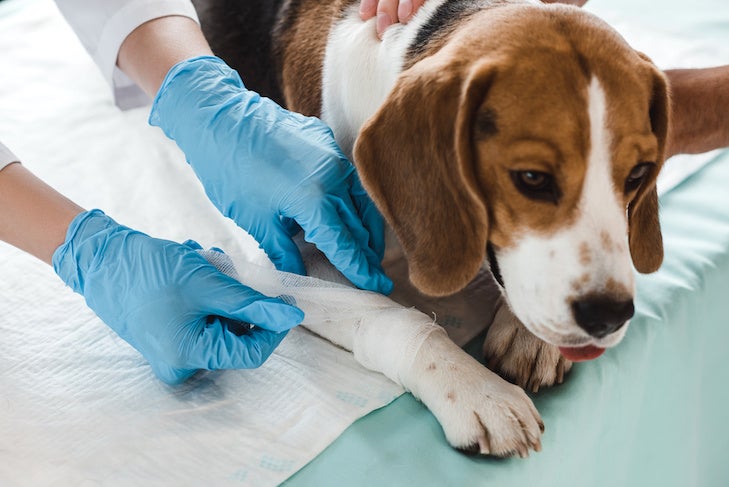
Can Humans or Other Pets Catch Staph From Dogs?
Staph bacteria can spread between dogs and, in rare cases, between dogs and people.
“Staphylococcus pseudintermedius and other species can be transferred from other dogs and even the people they live with,” Dr. Collins says. However, transmission between dogs and humans is uncommon.
Maintaining good hygiene is key when your dog has an infection. This includes washing your hands after handling your dog or their belongings and limiting close contact until the infection clears.
Can Dogs Get MRSA?
Some staph bacteria are resistant to certain antibiotics, making them more difficult to treat.
“MRSA stands for methicillin-resistant Staphylococcus aureus and refers to cases where the bacteria has become resistant to methicillin and other antibiotics,” Dr. Collins explains. While more common in humans, MRSA can occasionally affect dogs.
“In dogs, we are more concerned about MRSP, or methicillin-resistant Staph pseudintermedius, as that bacterial species is more common in dogs,” Dr. Collins says. “In either case, it is a concern because it means that the infection may be more difficult to treat, as there are fewer antibiotics available to treat it.”
Key Takeaways
- Staph infections in dogs are common and usually affect the skin when the immune system or skin barrier is compromised.
- Symptoms often include itching, redness, lesions, and hair loss, but can vary depending on infection severity.
- Treatment may involve topical products or antibiotics, and completing the full course is essential.
- Managing underlying health conditions helps prevent recurring infections.
- Good hygiene reduces the already low risk of spreading bacteria between dogs and people.
Frequently Asked Questions
-
Can a staph infection in dogs go away on its own?
+
Some dogs pass bones without issues, but others may experience choking, internal injury, or blockage. Because risks vary, it’s important to contact your veterinarian and monitor your dog closely.
-
How long does it take for a dog to recover from a staph infection?
+
Recovery time depends on the severity. Mild infections may improve within a few weeks, while more serious cases can take longer and require extended treatment. -
Are staph infections in dogs contagious to other pets?
+
They can spread between dogs, especially in close-contact situations. Good hygiene and limiting contact during treatment help reduce the risk.
-
What should I do if my dog keeps getting staph infections?
+
Recurring infections often point to an underlying issue, such as allergies or hormonal conditions. Your veterinarian can help diagnose and manage the root cause.
This article is intended solely as general guidance, and does not constitute health or other professional advice. Individual situations and applicable laws vary by jurisdiction, and you are encouraged to obtain appropriate advice from qualified professionals in the applicable jurisdictions. We make no representations or warranties concerning any course of action taken by any person following or otherwise using the information offered or provided in this article, including any such information associated with and provided in connection with third-party products, and we will not be liable for any direct, indirect, consequential, special, exemplary or other damages that may result, including but not limited to economic loss, injury, illness or death.