
This article originally appeared in the award-winning AKC Family Dog magazine. Subscribe now!
“From the time I visited him when he was six weeks old, I felt like we had a special bond,” Jon Bailey says when talking about his dog, Wyn. “When the litter was born, I would visit every week. I would sit on the floor and look at the puppies. My intent was to hold each of them, and after a few weeks, the puppy that was my Wyn would seek me out. I felt like he chose me.”
Another dog owner described a completely different experience. “I got my last dog when she was six months old. I didn’t know anything about her history, but what I do know was that I never felt like we bonded. It was as though she wasn’t interested in me, and I eventually gave her to a friend.”
Bonding involves forming a close relationship with another person or animal. Typically, when there is a bond, there are shared interests, experiences, and reinforcers.
Dog owners can bond with puppies or older dogs. With any dog, a bond can be built when you deliver reinforcers and make yourself reinforcing for the dog. Making yourself reinforcing doesn’t just involve dispensing treats, although that can help. Engaging in the dog’s preferred activities and spending time together also creates a bond.
Quality Time
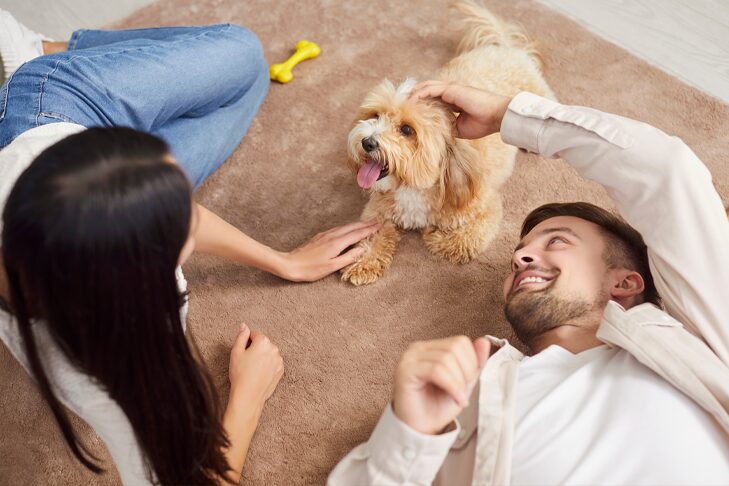
When your goal is to bond with your new puppy or adult dog, start by giving your dog time and attention. A close bond is not built by spending time with your dog once a week. You should be spending time with your dog every day to maximize the bond.
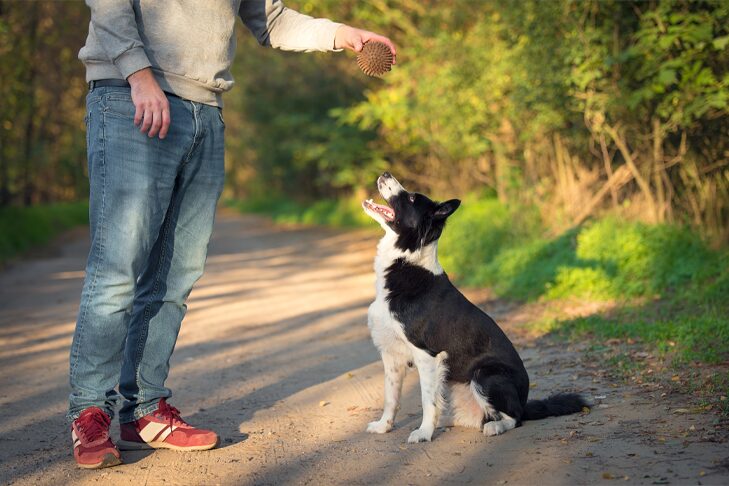
While you are spending time with your dog, think of the things your dog likes to do. Most dogs like exercise, so going for walks in new places, playing fetch, and hiking can be fun activities for active dogs.
Young puppies often enjoy being held and many enjoy puppy games. One game you can play is to sit on the floor with your puppy. Show him a toy and then hide it behind your back. With some experience, for most puppies, the “Find it!” game will soon become a favorite. In the evenings when you are at home, you can brush or massage your dog if he likes tactile stimulation.
The Benefits of Training
All dogs can benefit from training. Make training fun by giving your dog his preferred reinforcers—what specific food rewards does your dog like? Or would your dog rather have a quick game of tug?
Think about yourself as a learner. Did you ever take piano or sports lessons? For most of us, the teachers we bonded with the most closely were those who were positive, encouraging, and made the experience fun.
Positive reinforcement training using the behavioral principles of rewards (such as food, touch, or toys) and shaping can help dogs and their owners bond. When positive reinforcement is used, dogs (and their owners!) look forward to training sessions.
Avoiding Common Mistakes
When it comes to building a bond with their dogs, sometimes people just aren’t thinking like a dog—despite their best intentions. Desperate to build that bond, they frequently grab the dog and hug it.
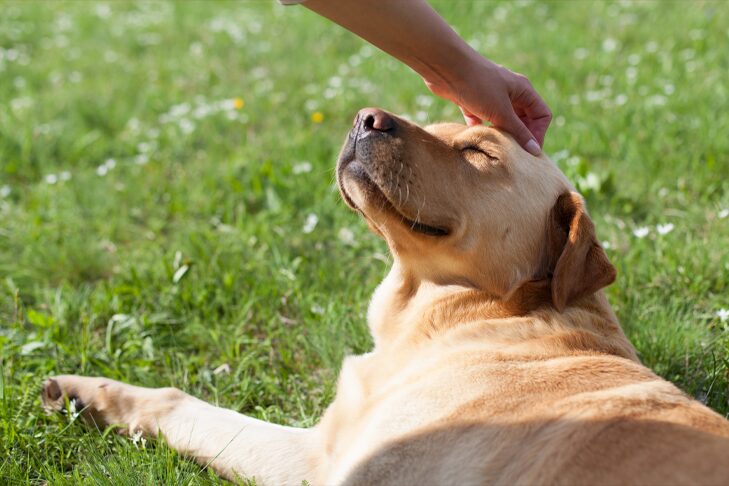
The current thinking is that many dogs do not like hugs. Hugging is not natural—dogs don’t do this to each other. Some learn to like it, and others learn to tolerate it, but if your dog doesn’t appreciate your hugs, don’t take offense. Another thing that people do, especially those who don’t have dogs, is pet a dog with rapid short pats on the head. Some dogs don’t like having someone reach over their heads (or lean over small dogs) and quick, fast patting is not something most dogs like. They would rather have you scratch their chest or under their chins.
Some dogs like tactile stimulation such as petting—other dogs do not. Try a variety of activities with your dog to determine what he prefers. In behavioral terms, we call this “reinforcer sampling.”
If you pet your dog and it moves away, petting may not be a preferred activity for this dog. You can try petting different parts of the dog’s body—if it doesn’t like pets on the head, maybe your dog would like a back massage.
Another mistake people make is choosing activities that they like without considering the preferences of the dog. An older, quiet dog may enjoy sitting on the couch with you while you watch a movie, but a very active dog is more likely to prefer exercise and high-energy activities.
When you want to build a better bond, an experienced dog trainer can help you get everything on the right track. You can also learn to improve your relationship with your dog and communicate better through programs such as AKC S.T.A.R. Puppy and Canine Good Citizen.

From behavior and training to health and nutrition, learn from the experts at the American Kennel Club, in AKC Family Dog magazine. Subscribe now!