AKC is a participant in affiliate advertising programs designed to provide a means for sites to earn advertising fees by advertising and linking to akc.org. If you purchase a product through this article, we may receive a portion of the sale.
Bringing a dog into your life is not a decision to be made lightly. Pet ownership is a major responsibility, and choosing the best breed for your lifestyle requires careful consideration. If you’re seeking a confident, loyal, toy-sized companion, consider the Pekingese.
In This Article
The Pekingese’s Temperament
Pekingese are compact members of the Toy Group, and have roots that date back to ancient China. Like most toy breeds, what a Peke lacks in size, they certainly make up for in personality. Pekingese are known to be confident, loving, charming, and tend to form particularly strong bonds with one person.
Pekes are quite independent, and move with a regal air, calling back to their days of palatial lifestyles. Their innate alertness makes them excellent watchdogs, and they tend to get along well with children with supervision.
Physical Traits and Grooming Needs
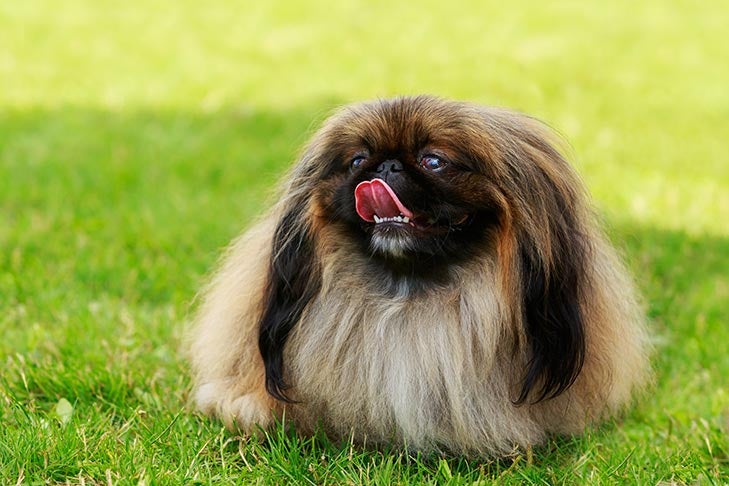
Pekingese are compact and stocky, weighing about 14 pounds. Their most recognizable trait is their “lion’s mane,” or long hair accenting their neck and shoulders.
Pekes’ coats come in various reds, ranging from a golden red to deeper mahogany. They have large heads with large, dark eyes, and what can be described as a “rolling” gait.
The Pekingese’s coat requires a good bit of maintenance. They shed seasonally, and a few brushing sessions throughout the week are the best method for removing loose hair and preventing mats. To remove tangles, use a pin or slicker brush to work through knots carefully. You should also trim their nails regularly to avoid discomfort.
Prospective owners should note that Pekingese tend to fare better in cooler temperatures and may overheat in stressful situations or warmer climates.
How Much Training Do Pekingese Need?
Pekingese are friendly, loving, and outgoing. They’re intelligent dogs, but with that intelligence comes a strong-willed nature. Combined with their regal roots, Pekes can be prone to stubborn, independent streaks.
Pekes are more self-willed than eager to please, so patience and repetition are essential as you work with them. Like with any breed, early socialization and puppy training courses are a must in curbing these less desirable traits.
Are Pekingese Good for Families?
People-oriented by nature, Pekingese are known to form close bonds with their loved ones. They’re tolerant of children, but are likely a better fit for homes with older kids who know not to roughhouse small dogs. Due to their independent nature, they’re best suited for experienced dog owners who are comfortable training a breed that requires more consistency and patience.
Pekingese are relatively low energy and don’t require much exercise. The breed is at higher risk of overexertion, so be sure to keep a close eye on them during any training sessions or time outdoors.
Caring for a Pekingese can become expensive, too. Their face shape can make them prone to some respiratory and eye issues, and their long backs and short legs put them at risk for spinal problems. Prospective owners should prepare to budget for potentially higher veterinary costs.

How Social Are Pekingese?
Pekingese are quite affectionate with their loved ones, but tend to be wary of strangers. This wariness can lead to less desirable tendencies towards reactivity. Early socialization and training will ensure that a Peke doesn’t become too reactive throughout their life.
This breed is happiest with their people, living a more mellow lifestyle.
Key Takeaways
- Homemade dog food can offer benefits but must be properly balanced
- Many online recipes lack essential nutrients and can lead to deficiencies
- Even small changes to a recipe can disrupt nutritional balance
- Professional guidance from a veterinary nutritionist is strongly recommended
- Homemade diets are not suitable for growing puppies without expert supervision
Frequently Asked Questions
-
Is a Pekingese a good dog for first-time owners?
+
A Pekingese can be a good choice for committed first-time owners, but their independent nature may be easier for someone with prior dog-training experience. Patience and consistency are important.
-
Do Pekingese need a lot of exercise?
+
No. Pekingese are relatively low-energy dogs and generally require moderate daily activity. However, they still benefit from walks, playtime, and mental stimulation.
-
Do Pekingese shed?
+
Yes. Pekingese shed seasonally and require regular brushing throughout the week to help manage loose hair and prevent matting.
-
Are Pekingese good with children?
+
They can do well with respectful children, but they are often best suited to homes with older children who can handle them gently and appropriately.
-
Why do Pekingese require extra grooming?
+
The breed’s long, dense coat can tangle and mat without regular brushing. Frequent grooming helps maintain coat health and keeps the dog comfortable.