AKC is a participant in affiliate advertising programs designed to provide a means for sites to earn advertising fees by advertising and linking to akc.org. If you purchase a product through this article, we may receive a portion of the sale.
Choosing to bring a dog into your life is no easy decision, regardless of whether you’re an experienced or first-time dog owner. Between your own day-to-day habits and breeds’ varying sizes, grooming needs, and temperaments, there are many factors to consider. Finding the perfect companion requires a lot of care! If you’re looking for an intelligent toy breed with a jovial, loving nature, consider the Havanese.
The Havanese’s Temperament
Descendants of the Bichon family and the only dog breed native to Cuba, Havanese are cheerful, bright, and social dogs. Havanese make for great companions for city dwellers and suburban residents alike.
The Havanese can be happy just about anywhere, with anyone. These little dogs are also unassuming candidates for watchdog duty. Luckily, they tend only to bark to alert their owners, so there’s no need to worry about endless yapping.
Physical Traits and Grooming Needs
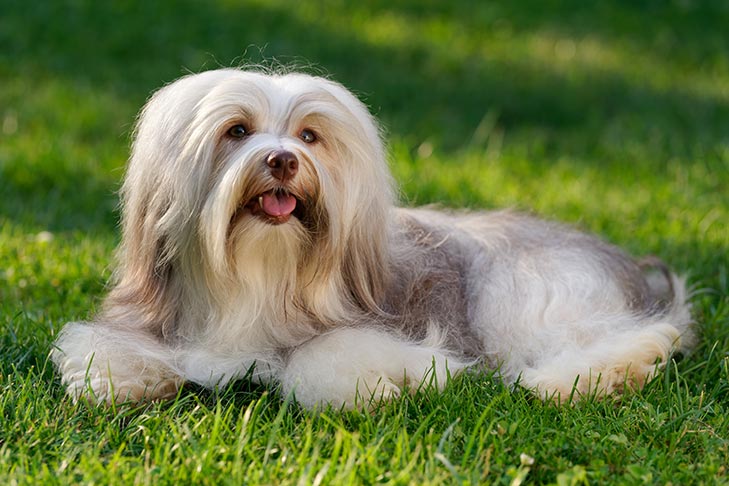
The Havanese’s small, sturdy bodies are adorned with long, silky hair and a plumed tail. Their lustrous coats come in a wide variety of colors. These little dogs stand between 8.5 and 11.5 inches tall, and weigh between seven and 13 pounds.
While Havanese are an easier breed when it comes to training and sociability, they require more maintenance to groom. Owners must brush their coats with a comb or pin brush need to be brushed daily to prevent mats and tangles. Some owners choose to keep a Havanese’s coat clipped short to help reduce grooming time.
It’s also necessary to clean the corners of Havanese’s eyes daily to prevent tear stains. You should also check their ears regularly to clean up excess wax or debris. Only occasional baths are necessary for this breed.
How Much Training Do Havanese Need?

Havanese are a highly intelligent breed. They’re eager to please their owners, but can be a more sensitive breed. Havanese respond best to positive training methods. Like with all dogs, puppy training courses and early socialization are essential. Exposing a Havanese to a broad range of new people and situations will help ensure your dog grows into a well-adjusted companion.
Are Havanese Good for Families?
These sociable dogs are highly adaptable and happy around folks young and old. Havanese are extroverted little dogs, and are to be best suited to be around other non-aggressive pets. They only require moderate exercise —brisk walks or playtime with their owner are often sufficient. Havanese don’t fare well when left alone for long periods of time. They’re true people dogs, and would be happiest with a family that has plenty of time and attention to give.
How Social Are Havanese?
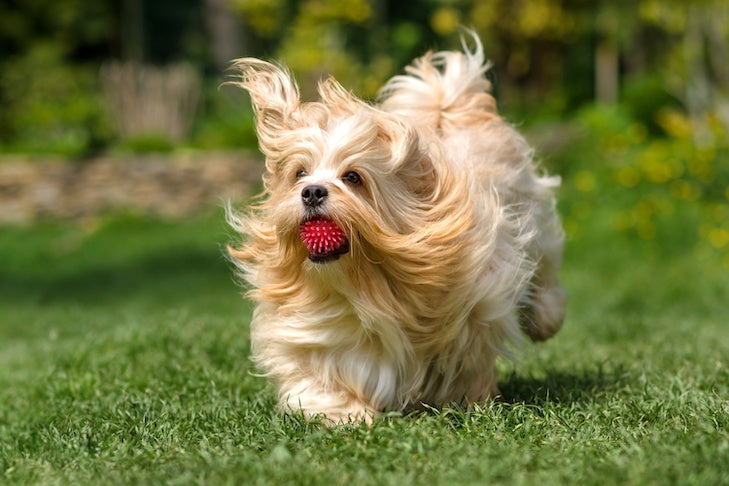
Especially with early exposure to new people, places, and situations, Havanese can be social butterflies. They thrive on human companionship and tend to get along with other animals. They might bark upon first meeting new people, but once they’ve decided a perceived threat is safe, a Havanese is all love.