AKC is a participant in affiliate advertising programs designed to provide a means for sites to earn advertising fees by advertising and linking to akc.org. If you purchase a product through this article, we may receive a portion of the sale.
When people think of rotten dog teeth, they often imagine cavities and tooth decay. While cavities are a common dental problem in people, dogs rarely develop them. Instead, the biggest threat to your dog’s oral health is periodontal disease. This common condition can lead to pain, tooth loss, and broader health concerns. Understanding the signs, causes, treatment options, and prevention strategies can help keep your dog’s mouth healthy and improve their quality of life.
In This Article
What Is Periodontal Disease in Dogs?
Periodontal disease is the inflammation and infection of the tissues that surround your dog’s teeth. Those tissues, known as the periodontium, include the gums and the upper and lower jaw bones that contain the tooth sockets.
The earliest stage of periodontal disease is gingivitis, which affects the gums. As the disease progresses, it extends deeper into the supporting tissues and eventually affects the bone. In advanced cases, teeth can lose their attachment from the socket, resulting in loose or tooth loss.
Periodontal disease is extremely common in dogs. Up to 90% of dogs older than 2 have some level of the disease.
“It is the most common disease we see,” says Dr. Maria M. Soltero-Rivera, a board-certified veterinary dentist and Assistant Professor of Dentistry and Oral Surgery at UC Davis School of Veterinary Medicine.

What Causes Periodontal Disease in Dogs?
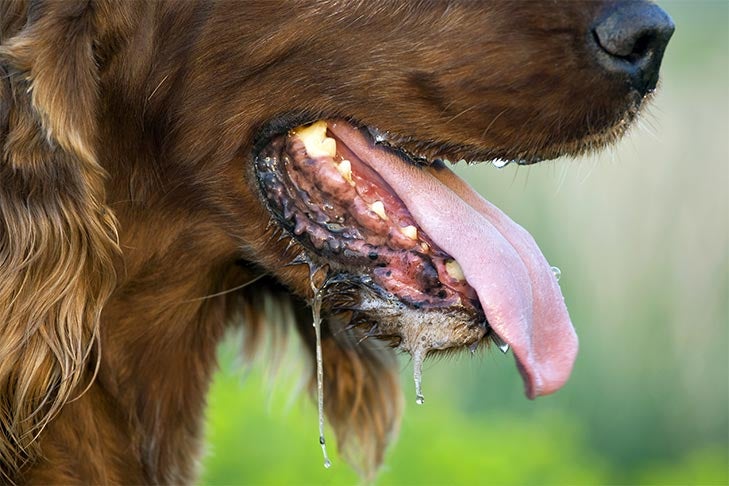
The primary cause of periodontal disease is plaque, a layer of bacterial biofilm that forms on the surface of the teeth above and below the gum line. Although plaque is responsible for the disease process, it’s usually invisible to the naked eye.
The brown buildup often seen on dogs’ teeth is tartar, which develops when minerals in saliva harden on top of plaque. Tartar not only affects appearance but also creates a rough surface that attracts more plaque. As plaque builds up, the dog’s immune system responds with inflammation, triggering the progression of periodontal disease.
This process is similar to how periodontal disease develops in humans, although the bacterial populations differ between species.
Several factors can increase a dog’s risk. Age is one of the most important, with prevalence increasing as dogs get older. Dr. Soltero-Rivera adds, “Small breeds are typically more commonly affected, and Dachshunds, Miniature Schnauzers, and Yorkshire Terriers are some of those breeds known to have this condition.”
What Are the Signs of Periodontal Disease in Dogs?
Periodontal disease can be difficult to detect in its early stages. By the time visible changes occur, the condition may already be at an advanced stage. This makes preventive care and regular veterinary examinations especially important.
Signs that may indicate periodontal disease include:
- Red or bleeding gums
- Exposed tooth roots
- Loose or missing teeth
- Decreased appetite or weight loss
- Unwillingness to chew hard food or play with hard toys
- Bad breath (halitosis)
- Preference for chewing on one side of the mouth
- Excessive drooling
- Head shyness or reluctance to let you examine the mouth
Any of these signs warrants a veterinary evaluation, particularly if they develop suddenly or worsen over time.
Why Periodontal Disease Affects More Than the Mouth
Periodontal disease is more than a cosmetic issue. As the disease damages supporting tissues, dogs can loose teeth and experience difficulty chewing, which may affect nutrition and overall well-being.
The condition is also quite painful. Many dogs continue eating despite significant discomfort, so owners may not always recognize how severe it is.
Research has shown that periodontal disease can significantly affect a dog’s overall health, with potential consequences for organs such as the heart, liver, and kidneys. This concern is linked to bacteremia, which occurs when bacteria from around the tooth roots enter the bloodstream.
Dr. Soltero-Rivera explains, “The thought is that bacteremia occurs even when we chew, and a healthy individual should be able to cope with this. However, in patients with certain systemic diseases, there is concern of direct effects from these bacteria but also the systemic inflammation that can occur in these patients.”

How Veterinarians Treat Periodontal Disease
Treatment depends on the severity of the disease.
Dogs with advanced periodontal disease often require tooth extractions to eliminate pain and infection. In moderate cases, veterinary dentists may perform specialized procedures to reduce periodontal pockets or help restore attachment to affected teeth. These treatments can include cleaning and removing diseased tissue from beneath the gum line.
For early disease, professional dental cleaning remains the standard treatment. This involves scaling and polishing the teeth above and below the gum line. Because thorough cleaning below the gums is essential, veterinarians perform dental procedures while the dog is under anesthesia.
Most dogs should have a veterinary exam every year to evaluate their dental health and determine whether a professional cleaning is needed. Smaller breeds and dogs at increased risk for periodontal disease may benefit from twice-yearly exams.
Although anesthesia always carries some degree of risk, Dr. Soltero-Rivera emphasizes the value of prevention: “Professional dental cleanings are important in delaying the progression of periodontal disease and in detecting other diseases early on before they become a nuisance to our patients … We always want to weigh risk versus benefit. The idea is to tilt the balance from treatment to prevention.”
How to Prevent Periodontal Disease in Dogs
Natural chewing and tongue movement remove only a small amount of plaque and aren’t enough to prevent the disease on their own.
The most effective at-home strategy is regular tooth brushing, ideally daily or every other day. Dr. Soltero-Rivera notes that less frequent brushing doesn’t provide meaningful benefits. Always use toothpaste formulated for dogs, since human toothpaste is intended to be spat out and may contain ingredients that are unsafe when swallowed.
A properly sized toothbrush or finger brush can make brushing easier and more comfortable for your dog.
If brushing isn’t possible, Dr. Soltero-Rivera recommends using two to three Veterinary Oral Health Council-approved products that work in different ways. These might include water additives, dental chews, or tooth wipes. Rotating products and using them consistently can help reduce plaque between veterinary visits.
The best prevention plan combines home dental care with regular veterinary exams and professional cleanings. Taking a proactive approach can help preserve your dog’s teeth, support overall health, and improve quality of life.
Key Takeaways
- Periodontal disease is the most common dental disease in dogs and affects the gums and tissues supporting the teeth.
- Plaque buildup is the primary cause of periodontal disease in dogs.
- Signs of periodontal disease in dogs include bad breath, bleeding gums, loose teeth, drooling, and difficulty chewing.
- Untreated periodontal disease in dogs can lead to pain, tooth loss, and broader health concerns.
- Regular tooth brushing, veterinary exams, and professional dental cleanings help prevent periodontal disease in dogs.
Frequently Asked Questions
-
What causes periodontal disease in dogs?
+
Periodontal disease in dogs is caused by plaque, a bacterial biofilm that accumulates on the teeth. Over time, plaque and tartar trigger inflammation and infection that damage the supporting tissues around the teeth.
-
What are the signs of periodontal disease in dogs?
+
Signs of periodontal disease in dogs can include bad breath, red or bleeding gums, drooling, loose teeth, exposed tooth roots, appetite changes, and reluctance to chew hard food or toys.
-
How is periodontal disease in dogs treated?
+
Treatment for periodontal disease in dogs may include professional dental cleaning, treatment below the gum line, specialized dental procedures, or tooth extractions in advanced cases. The recommended treatment depends on the severity of the disease.
-
Can periodontal disease in dogs be prevented?
+
Yes. Periodontal disease in dogs can often be slowed or prevented through regular tooth brushing, routine veterinary dental exams, professional cleanings, and consistent use of approved dental-care products.
This article is intended solely as general guidance, and does not constitute health or other professional advice. Individual situations and applicable laws vary by jurisdiction, and you are encouraged to obtain appropriate advice from qualified professionals in the applicable jurisdictions. We make no representations or warranties concerning any course of action taken by any person following or otherwise using the information offered or provided in this article, including any such information associated with and provided in connection with third-party products, and we will not be liable for any direct, indirect, consequential, special, exemplary or other damages that may result, including but not limited to economic loss, injury, illness or death.